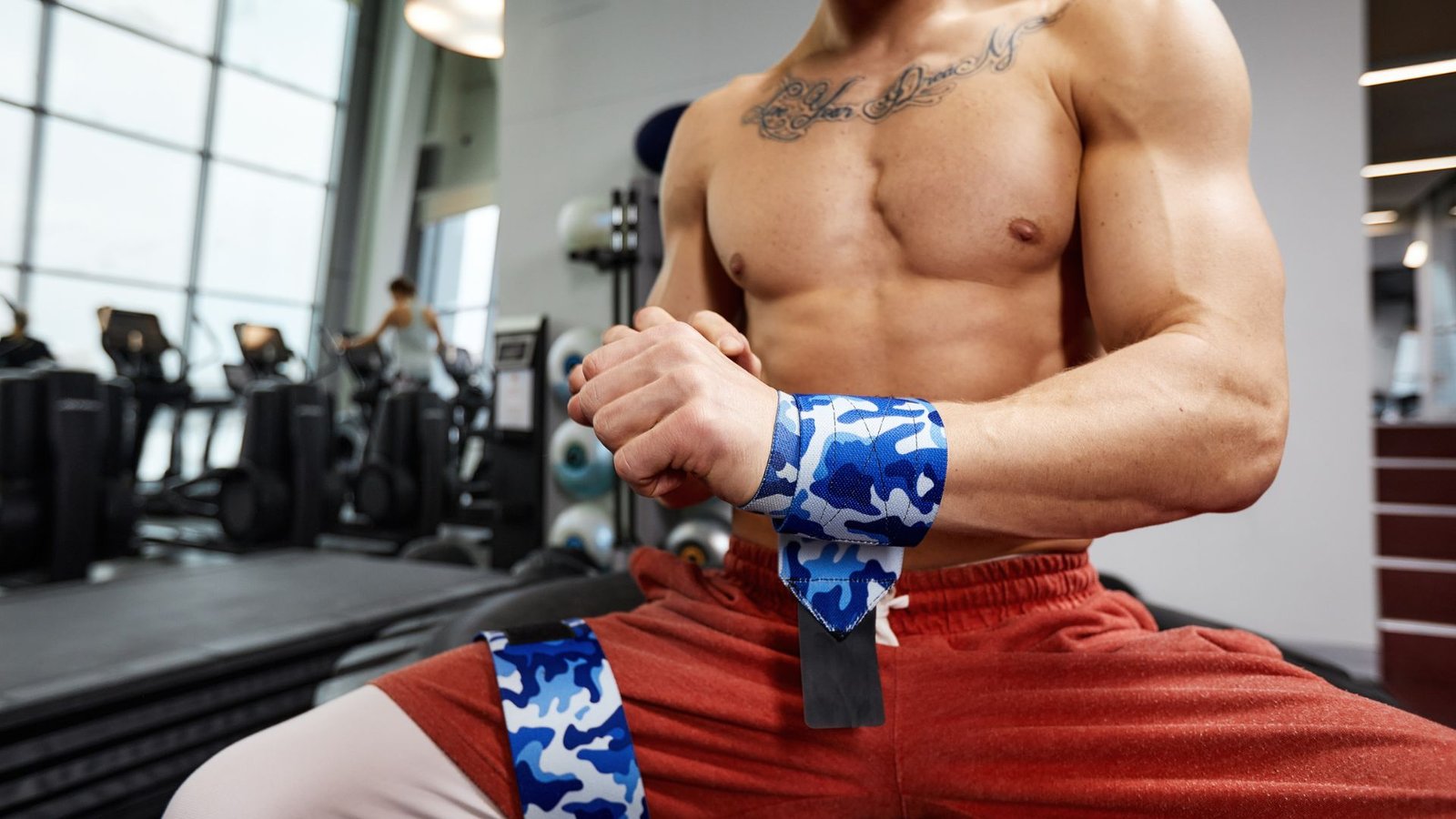
Grip strength is one of the most important yet overlooked aspects of strength training. Whether you are performing deadlifts, pull-ups, or heavy rows, your grip often becomes the limiting factor before your larger muscle groups reach full fatigue. This is where straps for weight training can make a significant difference.
Many lifters assume straps weaken their natural grip, but when used correctly, they actually support overall strength development. They allow you to train harder, lift heavier, and focus on proper muscle engagement while still improving grip strength over time.
Understanding how straps work and how to use them properly can help you get better results safely and efficiently.
What Are Straps for Weight Training?
Straps for weight training are strong fabric or leather wraps designed to secure your hands to a barbell or dumbbell. They loop around your wrist and the bar, reducing the amount of grip force required to hold heavy weight.
They are commonly used during pulling exercises such as:
Deadlifts
Barbell rows
Lat pulldowns
Pull-ups
Shrugs
By reinforcing your grip, straps allow you to maintain control of the weight without premature hand fatigue.
How Straps Help Improve Grip Strength
Although straps reduce direct grip strain during heavy lifts, they indirectly help you build stronger grip strength in several important ways.
1. Allow Progressive Overload
Progressive overload is essential for muscle growth and strength. When your grip fails early, it limits how much weight your back, shoulders, and arms can handle. Straps for weight training allow you to lift heavier loads safely.
Over time, your body adapts to handling heavier resistance, and your grip strength improves alongside your overall strength.
2. Improve Training Volume
Grip fatigue often prevents lifters from completing enough repetitions. Straps allow you to finish your planned sets without your hands giving out early.
This increased training volume strengthens your forearms and supporting muscles indirectly.
3. Help Target the Right Muscles
Without straps, your forearms may fatigue before your back muscles during exercises like rows or deadlifts. Straps allow you to focus on the intended muscle groups while maintaining control of the weight.
Better muscle activation leads to better overall strength development.
When to Use Straps for Maximum Benefit
Straps for weight training should be used strategically, not for every exercise.
Use straps when:
Performing heavy deadlifts
Completing high-repetition pulling exercises
Training close to muscular failure
Your grip limits your target muscle training
Avoid using straps during:
Warm-up sets
Grip-specific exercises
Light lifting sessions
This balance ensures your grip continues to develop naturally.
Sample Weekly Workout Plan Using Straps
Here is a simple plan showing when to use straps for weight training:
| Day | Workout Focus | Strap Usage |
|---|---|---|
| Monday | Back and Deadlifts | Use straps on heavy sets |
| Tuesday | Chest and Triceps | No straps needed |
| Wednesday | Rest or Cardio | None |
| Thursday | Back and Rows | Use straps on final sets |
| Friday | Legs | Optional for Romanian deadlifts |
| Saturday | Grip and Core Training | No straps |
| Sunday | Rest | None |
This structure allows strength progression while maintaining grip development.
Benefits Beyond Grip Support
Straps provide additional advantages that improve overall training quality.
Reduce Risk of Grip Failure
Grip failure can cause sudden weight drops, which increase injury risk. Straps provide added security during heavy lifts.
Improve Confidence
Knowing your grip will not fail allows you to focus on lifting with proper form and control.
Enhance Muscle Growth
By allowing heavier loads and better muscle engagement, straps contribute to faster strength and muscle gains.
Common Misconceptions About Straps
One of the biggest myths is that straps weaken grip strength. This only happens if they are overused.
When combined with dedicated grip training such as farmer’s carries and dead hangs, straps actually support long-term grip improvement.
They are tools designed to enhance performance, not replace strength.
Tips for Choosing the Right Straps
When selecting straps for weight training, look for:
Durable stitching
Comfortable wrist support
Strong cotton, nylon, or leather material
Adjustable length
Quality straps improve safety and comfort during heavy lifts.
Combine Straps with Grip Training for Best Results
For optimal grip strength, combine strap use with direct grip exercises such as:
Farmer’s carries
Bar hangs
Plate pinches
Wrist curls
This combination ensures balanced strength development.
Strengthen Your Grip and Maximize Your Lifting Potential
Straps are valuable tools that help you train more effectively. They allow you to lift heavier weights, increase training volume, and improve muscle activation while supporting overall grip development.
Start Using Straps Strategically for Better Strength Results
If your grip is limiting your progress, consider adding straps for weight training to your routine. Use them during heavy pulling exercises while continuing to train your grip directly. With consistency and proper technique, you will build stronger hands, improve performance, and achieve better long-term strength results.