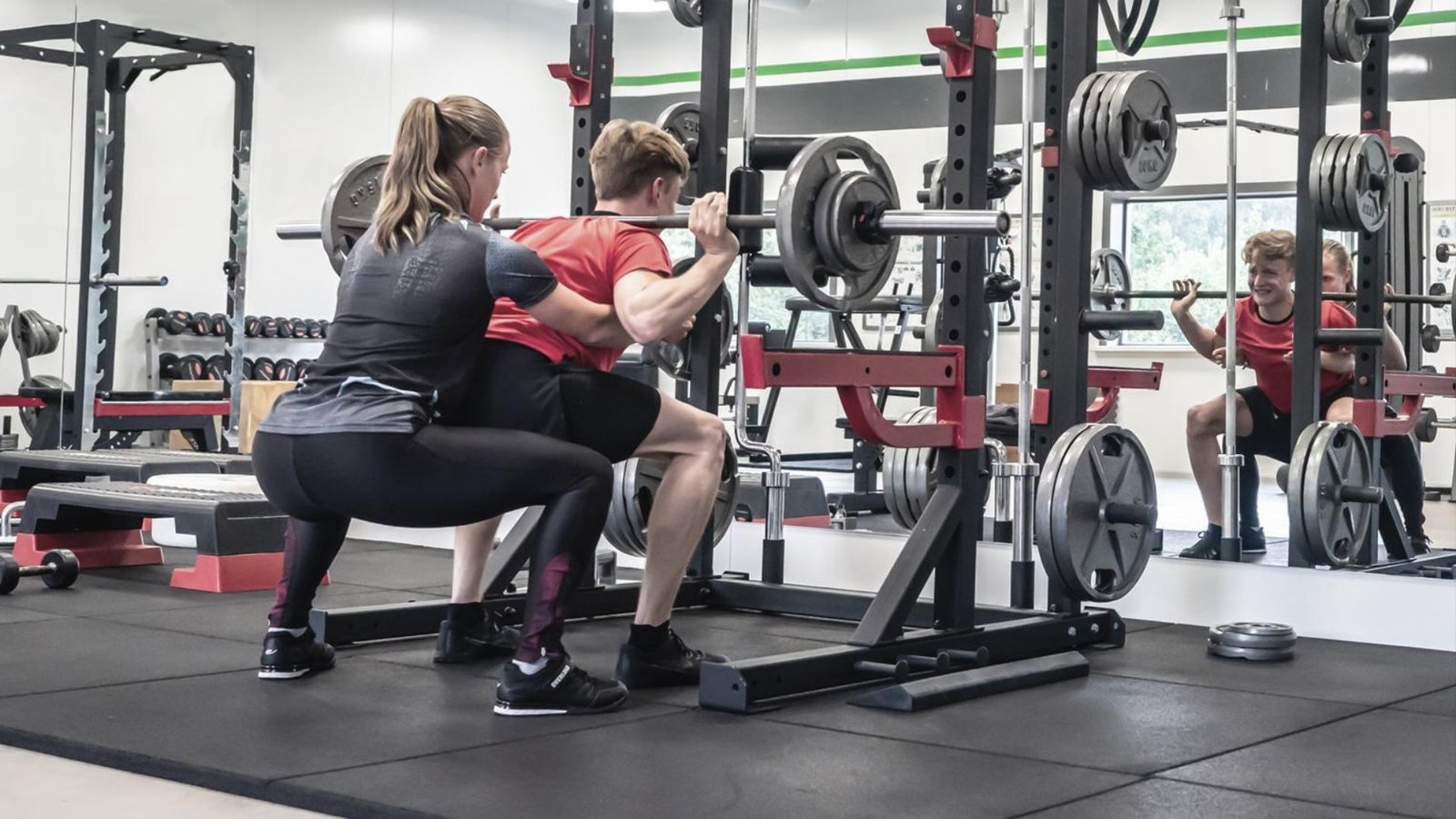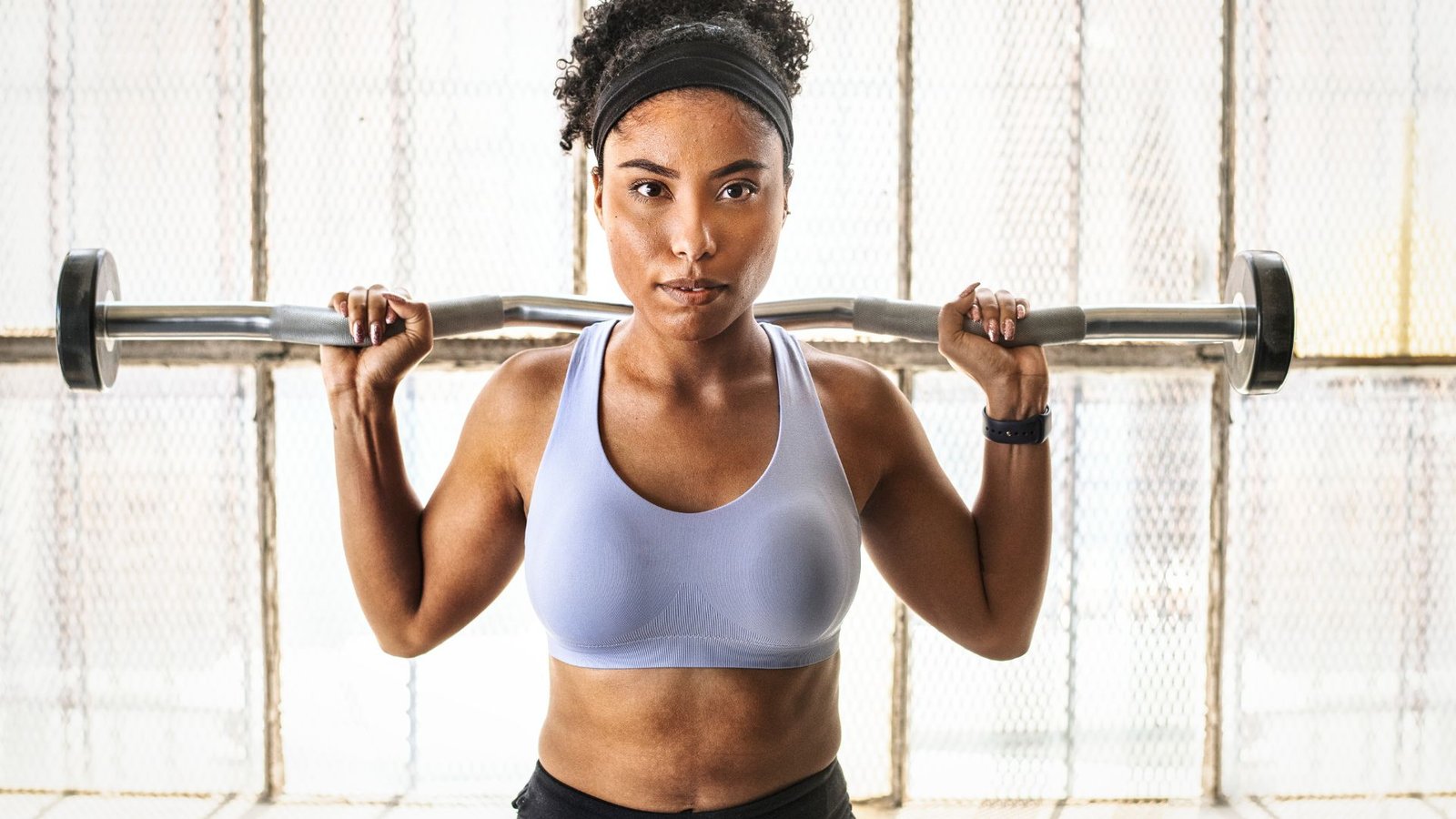
If you’ve decided to start a fitness routine, congratulations! Taking that first step toward a healthier, stronger version of yourself is an incredible milestone.
However, if you start searching online for the best way to begin, you are instantly bombarded with conflicting advice. One fitness influencer says you need to do isolated muscle training five days a week. Another insists you need expensive gym machinery or high-intensity cardio intervals that leave you gasping for air.
It is enough to make you want to close your laptop and stay on the couch.
If you are an adult new to fitness, you don’t need a complicated, grueling workout plan. You need a straightforward, manageable beginner strength training routine that builds lean muscle, protects your joints, and easily fits into a busy work and family life. This guide will give you exactly that.
Why Strength Training is Non-Negotiable as We Age
When people think of getting healthy, they often think of long jog sessions. While cardio is great for your heart, resistance training (working your muscles against an external force) is the real fountain of youth for adults.
As we cross into our 30s and 40s, our bodies naturally begin to lose muscle mass and bone density every year. This natural decline can slow down your metabolism, lead to unexplained joint aches, and make daily activities feel heavier.
Strength training completely reverses this process. By consistently stimulating your muscles, you tell your body to stay strong, keep your metabolism burning efficiently, and protect your joints from injury.
The Rule of Less: The Power of Full-Body Workouts
The biggest mistake beginners make is trying to do too much, too soon. Going from zero workouts a week to a strict six-day schedule is a fast track to extreme soreness, exhaustion, and injury.
For a sustainable beginner strength training routine, the magic number is two to three days per week.
Instead of training just your arms one day and your legs the next, you will focus on full-body workouts. This means hitting all your major muscle groups in a single, efficient session. By focusing on core physical patterns—pushing, pulling, and squatting—you maximize your results while keeping your time commitment low.
Step-by-Step: Your Weekly Routine
This routine can be performed right at home with a single pair of dumbbells, or in a gym setting. Aim to do this workout three times a week—such as Monday, Wednesday, and Friday—allowing at least one full day of rest in between for your body to repair.
Before you begin, spend 5 minutes doing light movement (like walking in place or arm circles) to wake up your body.
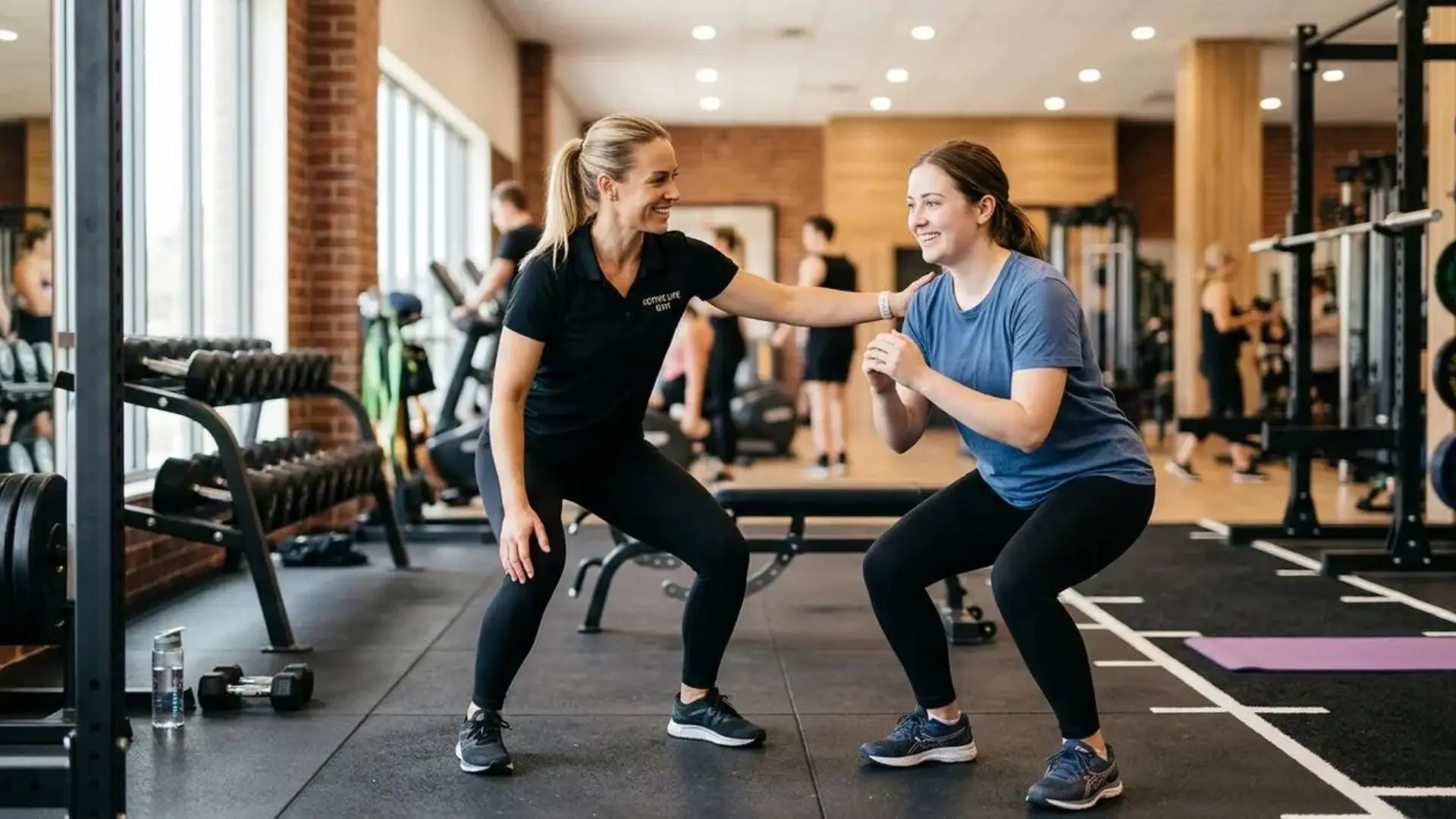
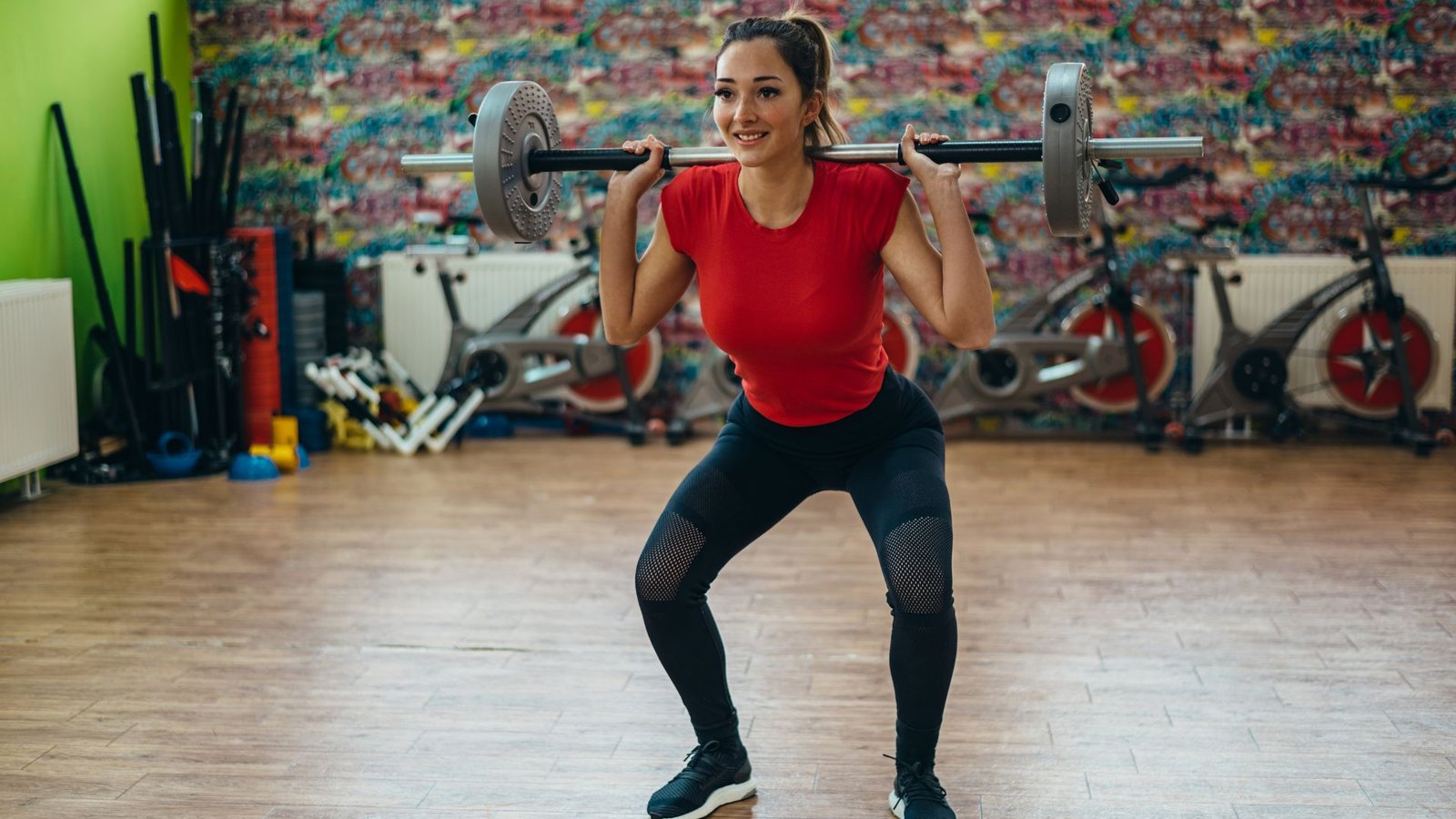
Hold a single dumbbell vertically against your chest like a goblet. Keep your feet shoulder-width apart, sit your hips back, and lower down as if sitting in a chair. Press through your heels to stand back up. This targets your thighs, glutes, and core.
Place one hand and knee securely on a sturdy bench or couch. Hold a dumbbell in your opposite hand, letting it hang straight down. Pull your elbow up toward your hip, squeezing your shoulder blade at the top. This builds your upper back and posture muscles.
Lie flat on your back on the floor or a yoga mat with your knees bent. Hold a dumbbell in each hand at chest level. Press the weights straight up toward the ceiling until your arms are straight, then lower them slowly until your elbows lightly touch the floor. This strengthens your chest, shoulders, and arms.
Lie on your back with your knees bent and feet flat on the floor, hip-width apart. Rest a dumbbell across your hips for extra resistance. Squeeze your glutes and push through your heels to lift your hips toward the ceiling until your body forms a straight line from knees to shoulders. Lower back down slowly.
Place your forearms on the floor, step your feet back, and hold your body in a straight line from head to heels. Keep your abdominal muscles tight and don’t let your hips sag. This builds functional core strength to protect your lower back.
Form First: A Closer Look at the Squat
Because the squat is the foundation of any solid strength program, ensuring proper alignment keeps your knees and back completely pain-free. Use the visual reference below to ensure your form mirrors these safe body mechanics.
Frequently Asked Questions from Fitness Beginners
When starting out, focus strictly on learning the movement patterns. Choose a weight where the 9th and 10th repetitions feel challenging, but you could still complete 1 or 2 more with perfect form if you had to. If you are shaking or losing your balance, put the weight down and go lighter.
Fitness is not one-size-fits-all. Every exercise has an easier version. If a goblet squat feels too intense on your knees, start by simply sitting down into a sturdy kitchen chair and standing back up without using your hands (a box squat).
Absolutely. Lifting weights helps ensure that the weight you lose comes from body fat, not lean muscle mass. Furthermore, muscle burns more calories at rest than fat does, making your weight management goals much easier to maintain over time.
3 Pillars of Long-Term Success
To make sure your new habit sticks for the long haul, keep these three golden rules in mind:
Embrace Progressive Overload: Your body adapts quickly to challenges. If you use the exact same 10-pound dumbbells for six months, your progress will stall. Once 10 repetitions feel easy, try to perform 11 or 12 reps, or step up to a 12-pound weight.
Consistency Over Intensity: Doing a moderate 30-minute workout three times a week, every week, will yield massive results. Doing a brutal two-hour workout once and quitting for a month yields zero results.
Listen to Your Body: There is a big difference between the normal muscle soreness of a good workout (which feels like a dull ache a day later) and bad joint pain (which feels sharp or pinching). If an exercise hurts your joints, stop immediately.
Take Your Next Step Safely
Starting a beginner strength training routine doesn’t require you to flip your entire life upside down. By dedicating just an hour or two a week to simple, functional movements, you can completely transform your energy levels, physical strength, and body composition.
The most important step you can take today is simply to start.
Get Expert Guidance from the Comfort of Home
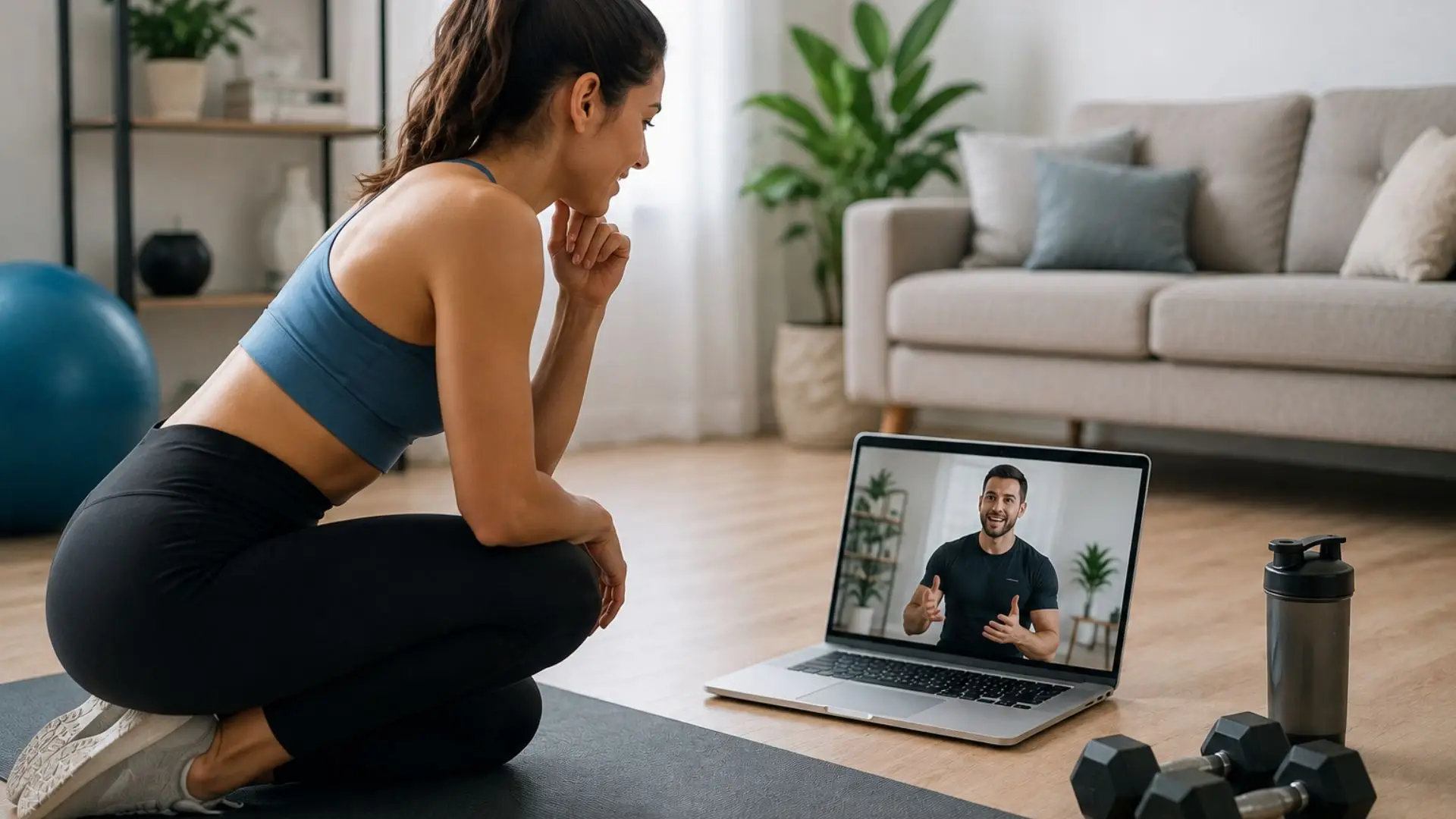
Wondering if your form is correct? Worried about an old injury holding you back? You don’t have to guess your way through your fitness journey.
At Potomac Online Personal Training, we specialize in coaching adults who are completely new to fitness. We build fully customized, safe resistance training programs tailored to your unique body, goals, and lifestyle—all delivered through convenient online coaching.
Click here to schedule your free consultation with Potomac Online Personal Training today! Let’s work together to build a strong, confident routine you will love.