If you’re looking to get stronger, build lean muscle, lose body fat, or improve your overall health, you’ve probably wondered, “What is the best strength training program?”
The truth is, there isn’t a single workout plan that works for everyone. The best strength training program is one that’s tailored to your fitness level, goals, schedule, and experience. Whether you’re just beginning your fitness journey or looking to break through a plateau, having a structured plan is the key to long-term success.
In this guide, we’ll explain what makes a strength training program effective, how to choose the right one for your goals, and practical tips to help you stay consistent and see results.
Why Strength Training Matters
Strength training is much more than lifting heavy weights. It’s one of the most effective ways to improve your physical and mental health.
Regular strength training can help you:
- Build lean muscle
- Burn body fat
- Increase metabolism
- Improve posture and balance
- Strengthen bones and joints
- Enhance athletic performance
- Reduce the risk of injury
- Boost confidence and energy
No matter your age or fitness level, strength training offers benefits that can improve your quality of life.
What Makes the Best Strength Training Program?
A successful program should be simple, progressive, and sustainable.
Rather than following random workouts you find online, focus on a structured plan that includes these key elements.
Progressive Overload
Your muscles need to be challenged over time to continue growing stronger.
Progressive overload means gradually increasing the difficulty by:
- Adding weight
- Increasing repetitions
- Performing additional sets
- Improving exercise technique
- Reducing rest periods when appropriate
Small improvements each week lead to significant long-term results.
Compound Exercises
The best strength training programs focus on exercises that work multiple muscle groups at once.
Examples include:
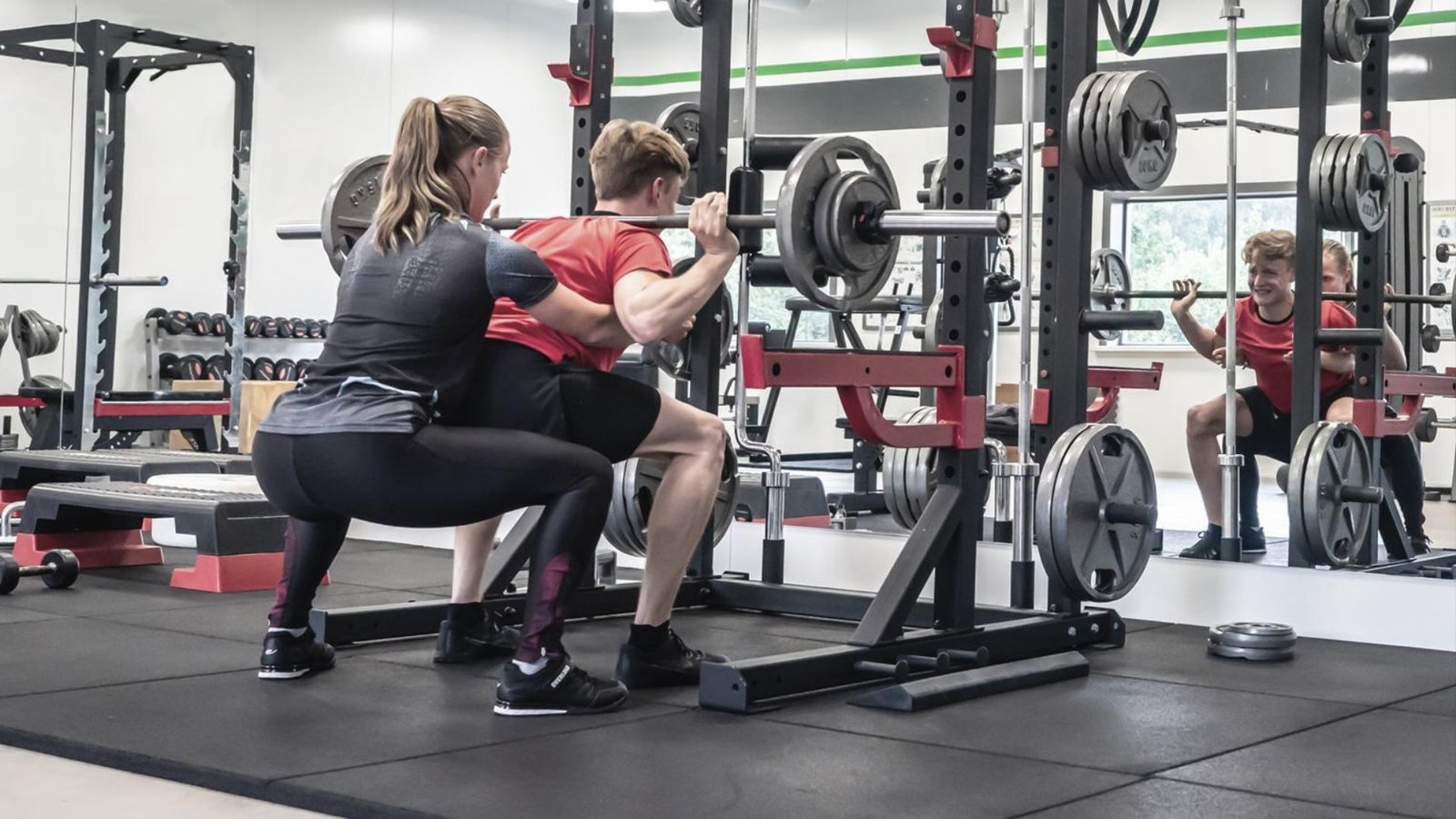
Squats
Strengthen your legs, glutes, and core while improving everyday movement.
Deadlifts
Develop total-body strength and improve posture.
Bench Press
Build your chest, shoulders, and triceps while increasing upper-body power.
Overhead Press
Improve shoulder strength and stability.
Pull-Ups and Rows
Strengthen your back, improve posture, and build grip strength.
These exercises deliver more overall benefits than relying solely on isolation movements.
Proper Recovery
Your muscles don’t grow during your workout—they grow while you recover.
A good program includes:
- Rest days
- Quality sleep
- Proper nutrition
- Hydration
- Mobility work
Recovery helps reduce injury risk while maximizing performance.
Sample Beginner Strength Training Program
If you’re new to lifting weights, a full-body routine performed three days per week is an excellent place to start.
Monday
Lower Body
- Goblet Squats – 3 sets of 10
- Romanian Deadlifts – 3 sets of 10
- Walking Lunges – 3 sets of 12
Upper Body
- Push-Ups – 3 sets of 10
- Dumbbell Rows – 3 sets of 10
Core
- Plank – 3 rounds of 30 seconds
Wednesday
Full Body
- Dumbbell Bench Press
- Lat Pulldown
- Dumbbell Shoulder Press
- Leg Press
- Glute Bridges
- Side Planks
Perform 3 sets of 10–12 repetitions for each exercise.
Friday
Repeat Monday’s workout while increasing either the weight or repetitions if you’re able to maintain proper form.
This simple structure allows beginners to develop strength safely while learning proper movement patterns.
How Often Should You Strength Train?
Most adults benefit from strength training three to four days per week.
Your ideal frequency depends on:
- Your experience level
- Recovery ability
- Fitness goals
- Available time
Consistency matters far more than training every day.
Even three well-designed workouts each week can produce outstanding results.
Don't Forget Nutrition
Your workouts are only one part of the equation.
If your goal is to build strength and improve body composition, your nutrition should support your training.
Eat Enough Protein
Protein helps repair and build muscle tissue.
Excellent sources include:
- Chicken
- Fish
- Eggs
- Greek yogurt
- Cottage cheese
- Lean beef
- Tofu
- Beans
Aim to include protein with every meal.
Fuel Your Workouts
Healthy carbohydrates provide energy for lifting weights.
Choose foods like:
- Brown rice
- Sweet potatoes
- Oats
- Whole grains
- Fruit
Healthy fats from avocados, nuts, olive oil, and seeds also support recovery and hormone health.
Common Strength Training Mistakes
Avoid these common mistakes to see better progress.
Lifting Too Heavy Too Soon
Focus on proper form before increasing weight.
Quality movement always comes first.
Skipping Warm-Ups
A proper warm-up prepares your muscles and joints for exercise while reducing injury risk.
Spend 5–10 minutes performing light cardio and dynamic stretching before lifting.
Ignoring Recovery
Overtraining can slow progress and increase soreness.
Give your muscles time to recover between workouts.
Changing Programs Too Frequently
Muscle growth requires consistency.
Stick with a structured program for at least 6–8 weeks before making major changes.

Frequently Asked Questions
Is Strength Training Good for Weight Loss?
Absolutely.
Strength training helps preserve muscle while increasing calorie burn, making it one of the best forms of exercise for long-term fat loss.
Can Beginners Lift Weights?
Yes.
Everyone starts somewhere.
The key is learning proper technique and gradually increasing intensity as your confidence grows.
Do I Need a Gym Membership?
Not necessarily.
Many effective strength training programs can be performed at home using:
- Adjustable dumbbells
- Resistance bands
- Kettlebells
- Bodyweight exercises
Your environment matters far less than your consistency.
How Long Until I See Results?
Most beginners notice:
- Increased strength within 2–4 weeks
- Improved energy after a few workouts
- Visible body changes within 8–12 weeks
Stay patient and trust the process.
Why Personalized Coaching Makes a Difference
Following a generic workout plan can only take you so far.
A certified personal trainer helps you:
- Choose the right exercises
- Improve technique
- Stay accountable
- Adjust your program as you progress
- Avoid plateaus
- Reach your goals faster
Whether you’re training at home or in a gym, personalized guidance provides structure and confidence.
Final Thoughts
The best strength training program isn’t the most complicated one—it’s the one you can follow consistently.
Focus on compound exercises, progressive overload, proper nutrition, quality recovery, and realistic goals. Over time, these habits will help you build strength, increase muscle, burn fat, and improve your overall health.
Remember, fitness is a lifelong journey. Small, consistent improvements will always outperform short bursts of extreme effort.
Ready to Build Strength and Transform Your Fitness?
At Potomac Online Personal Training, we create customized strength training programs designed around your goals, fitness level, schedule, and available equipment.
Whether you’re a beginner looking for guidance or an experienced lifter aiming to reach the next level, our personalized online coaching provides the accountability, structure, and expert support you need to succeed.
Contact us today to start your customized strength training program and take the first step toward becoming stronger, healthier, and more confident.