If you’ve recently started lifting weights, hitting the gym, or following a new home workout routine, you’ve probably heard a lot of buzz about protein. Fitness enthusiasts talk about protein shakes, chicken breasts, and macro tracking constantly.
It can quickly feel overwhelming. If you are an adult who is completely new to fitness, you might be left with a few nagging questions: Why does protein matter so much? Do I really need to eat huge amounts of meat? And exactly how much protein do I need to build muscle without overcomplicating my life?
The good news is that you don’t need a degree in nutrition or an expensive calculator to figure this out. This guide will break down the exact science of protein for muscle growth in plain, simple English, giving you actionable steps to hit your goals with confidence.
Why is Protein Crucial for Building Muscle?
To understand how much you need, it helps to understand what protein actually does.
Think of your body as a house. When you lift weights or do resistance training, you are essentially creating tiny, controlled amounts of wear and tear on that house. You are breaking down muscle fibers.
Protein acts as the bricks and mortar. It contains amino acids, which are the building blocks your body uses to repair that wear and tear. When your body repairs those tiny fibers, it builds them back slightly bigger, stronger, and more resilient than they were before. This process is called muscle hypertrophy (muscle growth).
If you lift weights but don’t eat enough protein, your body won’t have the materials it needs to rebuild. Instead of growing stronger, you might just feel tired, sore, and frustrated by a lack of progress.
The Simple Math: How Much Protein Do I Need to Build Muscle?
Let’s get straight to the core question: how much protein do I need to build muscle as a beginner?
The ideal sweet spot for active adults looking to build lean muscle is 0.7 to 1.0 grams of protein per pound of body weight daily.
Let’s look at a quick example:
If you weigh 150 pounds, your daily protein goal should be between 105 and 150 grams.
If you weigh 200 pounds, your daily protein goal should be between 140 and 200 grams.
A Note for Weight Loss: If your primary goal is to lose a significant amount of weight while building muscle, basing your math on your current weight can sometimes result in a number that feels too high to realistically eat. In that scenario, use your target or ideal body weight for the calculation instead.
The "Hand Method": How to Estimate Portions Without a Scale
Tracking every single gram of food on a smartphone app can be exhausting, and it is often a quick path to burnout for beginners. If you don’t want to weigh your food on a digital kitchen scale, you can use your hand as a highly reliable built-in portion guide.
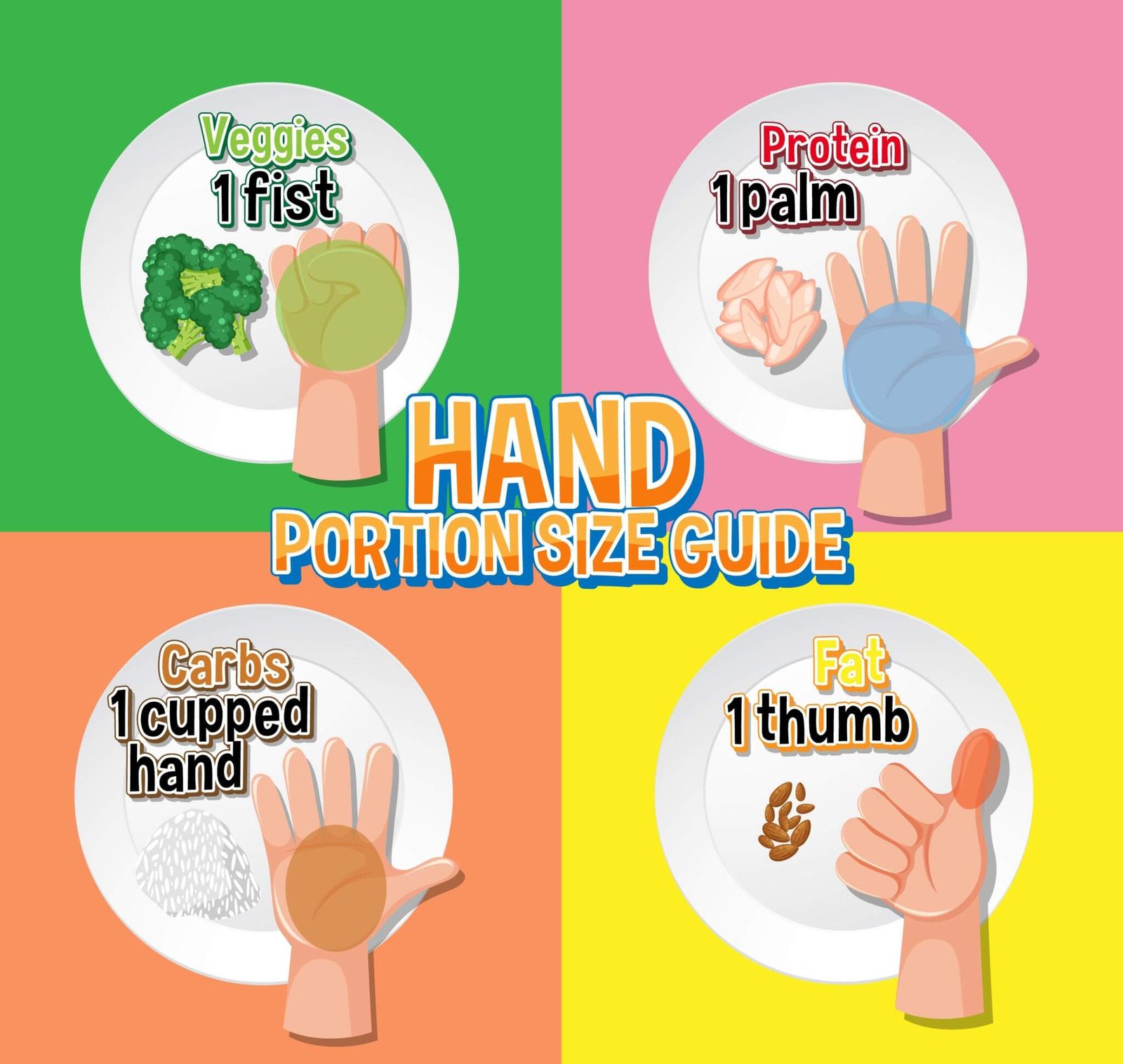
Each palm-sized portion delivers roughly 20 to 30 grams of high-quality protein.
If you aim to get 1.5 to 2 palms of protein at your main meals, and wrap a snack around another protein source, you will easily hit your daily targets without ever opening a tracking app.
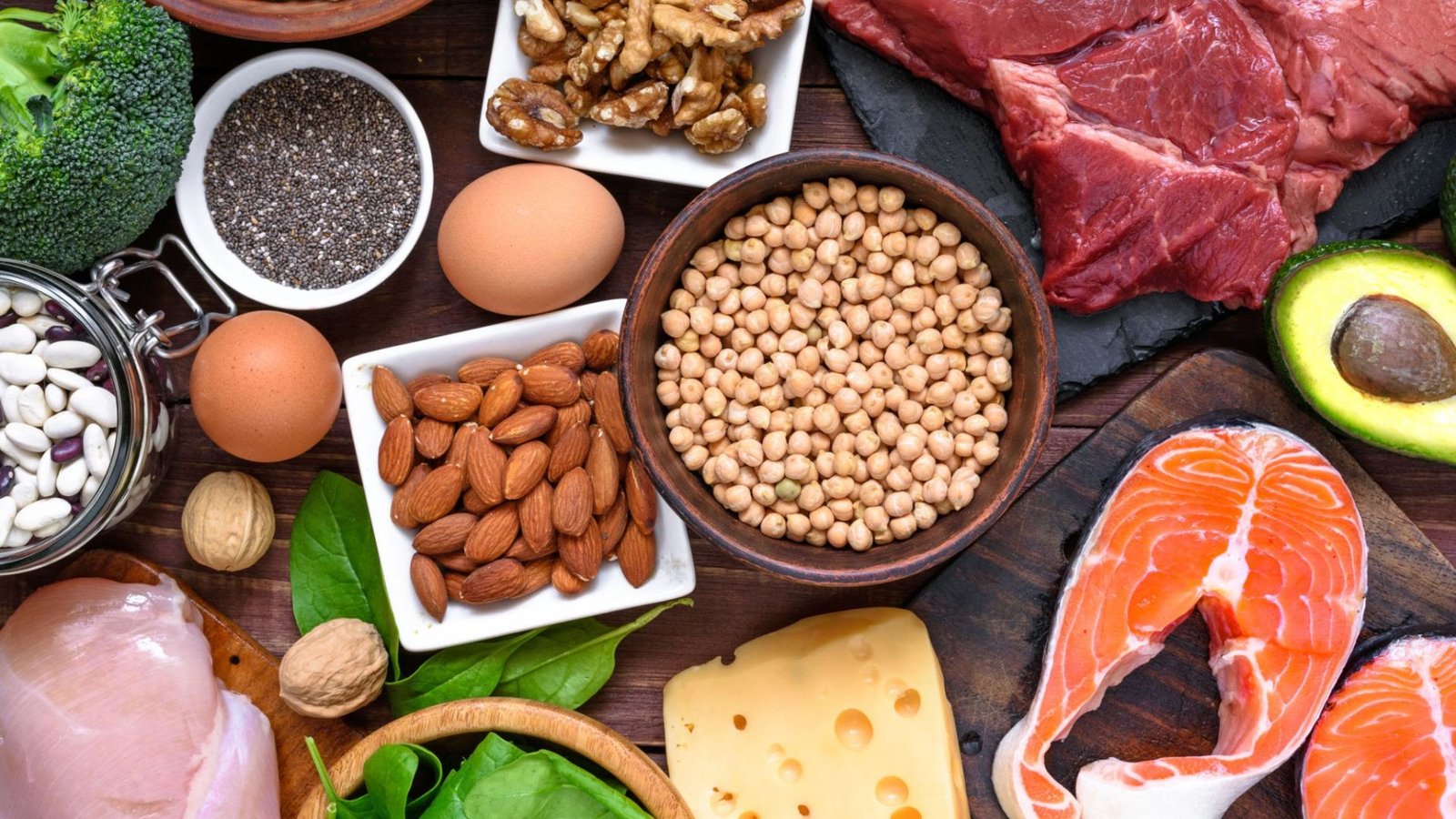
High-Quality Protein Sources to Add to Your Grocery List
Hitting your daily protein goal is much easier when you fill your kitchen with foods you genuinely enjoy. You do not have to live on plain chicken and rice! Here are some excellent, beginner-friendly options:
Animal-Based Proteins
Chicken or Turkey Breast: Extremely lean and highly versatile. (30g of protein per 3.5 oz)
Eggs and Egg Whites: A perfect, nutrient-dense breakfast staple. (6g per large egg)
Greek Yogurt (Plain, Low-Fat): Fantastic for breakfast or snacks. (15-20g per cup)
Cottage Cheese: Low in fat, high in casein protein, which digests slowly. (25g per cup)
Salmon or Tuna: Packed with protein and heart-healthy omega-3 fatty acids. (22-25g per 3.5 oz)
Plant-Based Proteins
Tofu or Tempeh: Excellent versatile bases for stir-fries. (15-20g per cup)
Lentils and Beans: Great source of both protein and healthy fiber. (15-18g per cooked cup)
Edamame: A delicious, high-protein green snack. (18g per cup)
Common Questions About Protein and Fitness
For the average healthy adult, eating a bit extra won’t hurt you. Your body will simply use what it needs for muscle repair and convert the rest into energy. However, eating massive amounts won’t speed up your muscle growth either. Once you hit the 1.0 gram per pound threshold, your muscles are completely saturated.
No, you do not need them. Shakes are simply a convenience tool. If you find it difficult to eat enough solid food to hit your targets, a high-quality whey or plant-based protein powder mixed with water or milk is a safe, easy way to bridge the gap.
The old rule that you must consume protein within 30 minutes of lifting weights (the “anabolic window”) is largely a myth. What matters most is your total daily intake. As long as you are getting enough protein throughout the day, your muscles will grow. Spacing your protein out across 3 to 4 meals is ideal for digestion and steady muscle recovery.
3 Actionable Tips to Sneak More Protein Into Your Day
If you look at your daily target and think, “There is no way I can eat that much,” try these simple, stress-free strategies:
Build Your Meals Around the Protein First: When planning dinner or looking at a menu, pick your protein source first (e.g., salmon). Then, pick your vegetables and carbohydrates (e.g., broccoli and sweet potato) to complement it.
Swap Your Snacks: Replace processed snacks like potato chips or pastries with high-protein alternatives. Keep hard-boiled eggs, beef jerky, string cheese, or Greek yogurt cups handy.
Mix Protein into Your Breakfast: Traditional breakfast foods like cereal or toast are very low in protein, leaving you starving by 10:00 AM. Stir a scoop of protein powder into your morning oatmeal, or scramble three eggs instead of one.
Summary and Next Steps
Answering the question, “how much protein do I need to build muscle?” is one of the most impactful steps you can take on your fitness journey. By aiming for roughly 0.7 to 1.0 grams per pound of body weight, focusing on palm-sized portions, and keeping consistent with your workouts, you give your body exactly what it needs to change its shape, build strength, and stay healthy.
Be patient with yourself. You don’t have to change your entire diet overnight. Start by adding just one extra source of protein to your day today.
Ready to Fast-Track Your Results?
Navigating nutrition and exercise plans on your own can feel like a guessing game. If you want a customized roadmap designed to help you build lean muscle, lose fat, and feel radiant without sacrificing your favorite foods, we are here to support you.
At Potomac Online Personal Training, we create personalized, sustainable fitness and nutrition strategies for adults completely new to the gym environment. We handle the math so you can focus on feeling great.
Click here to schedule your free consultation with Potomac Online Personal Training today! Let’s cut through the confusion and build your dream lifestyle together.