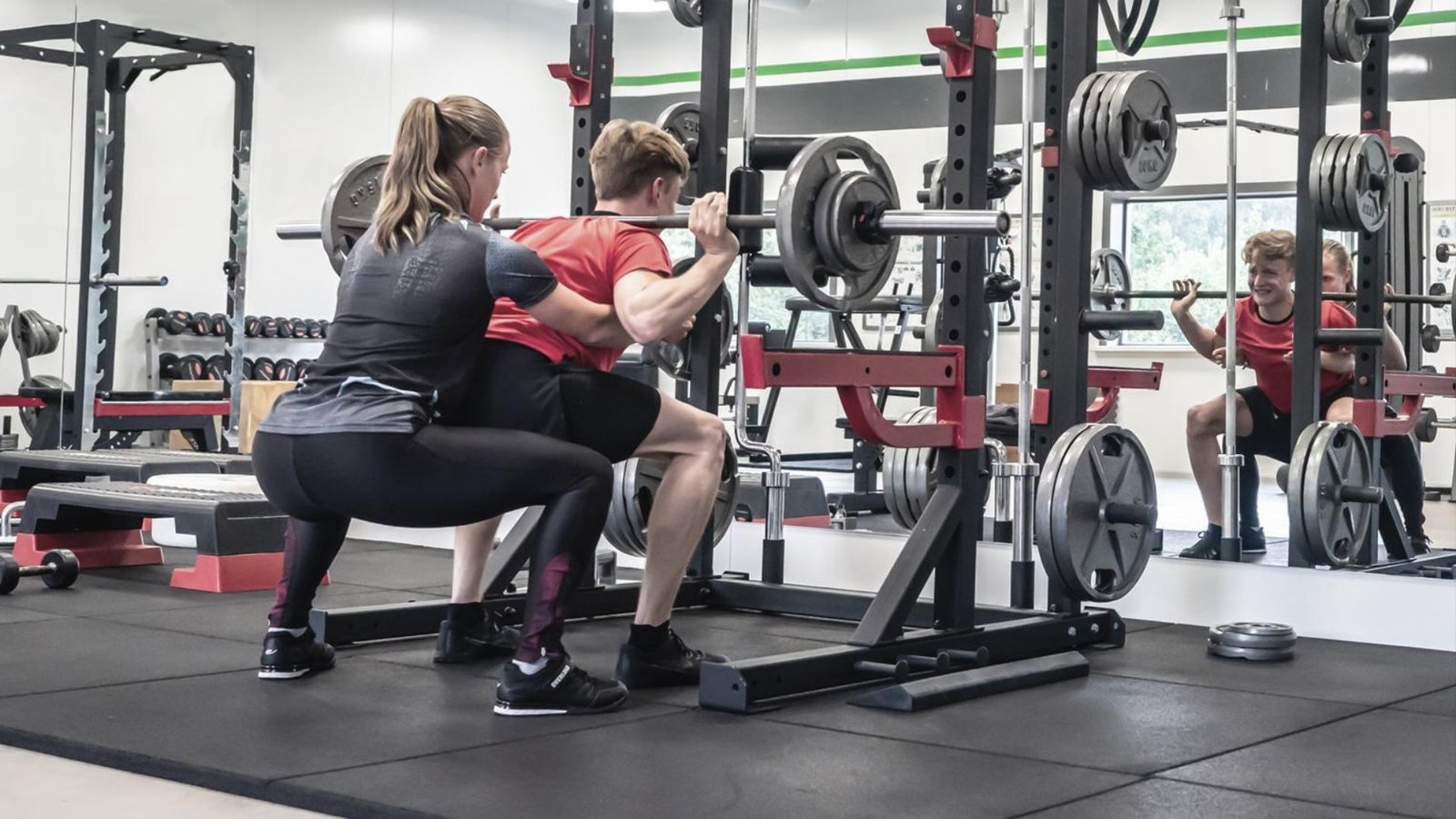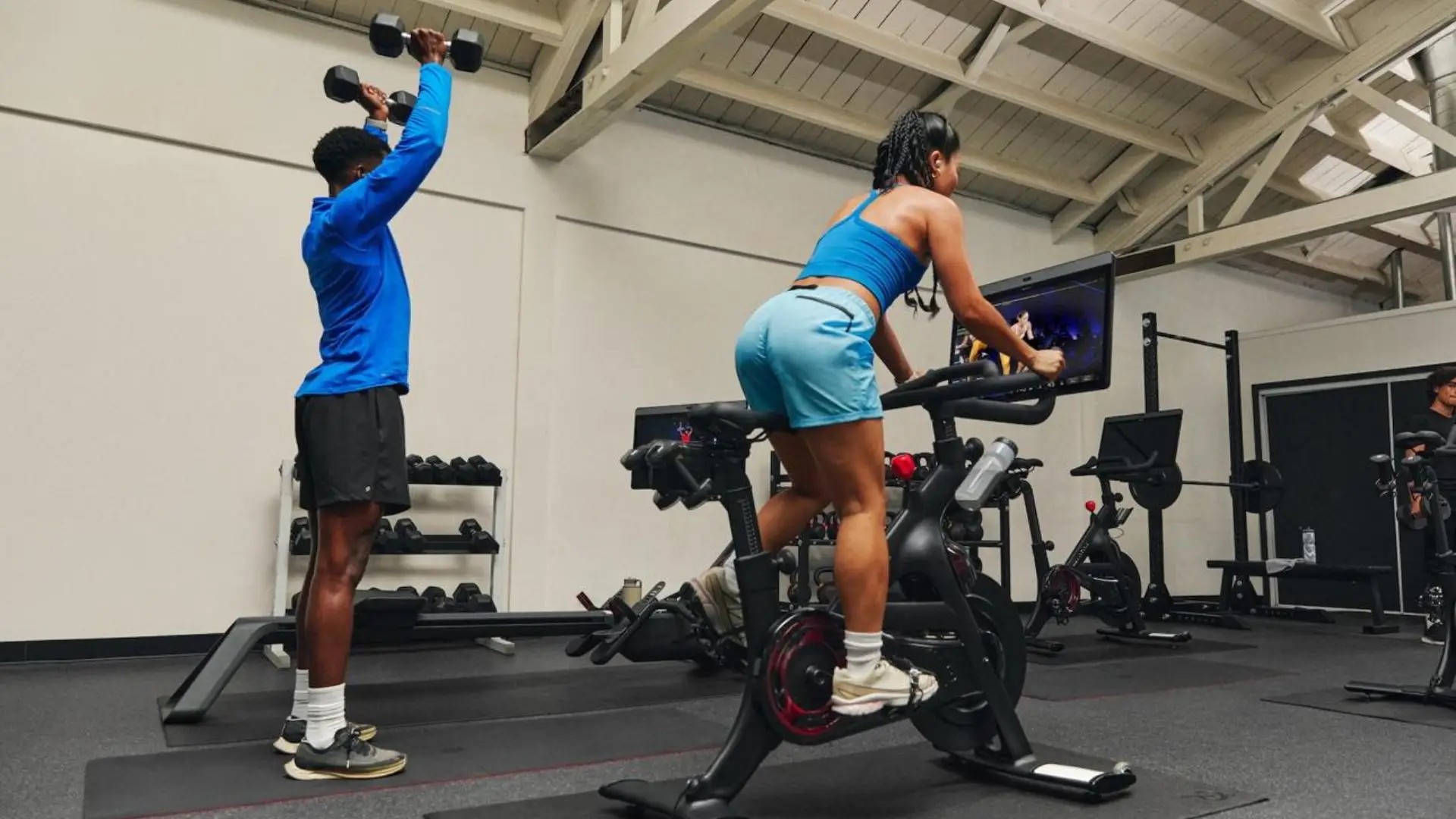
If your goal is to gain lean muscle, you may wonder, “Should I do cardio while building muscle?” It’s a common question because many people worry that cardio will slow muscle growth or undo all the hard work they put into lifting weights.
The truth is that cardio and muscle building can work together when they’re balanced correctly. In fact, the right amount of cardio can improve your heart health, increase endurance, support recovery, and even help you perform better during strength training sessions.
The key is understanding how much cardio to do, what type is best, and how to combine it with your strength training program.
In this guide, we’ll explain how cardio affects muscle growth and how you can build muscle without sacrificing your overall fitness.
Can You Build Muscle and Do Cardio at the Same Time?
Yes.
Building muscle and improving cardiovascular fitness are not mutually exclusive.
Many athletes, recreational lifters, and fitness enthusiasts successfully combine both forms of exercise.
The secret is making strength training your priority while using cardio to support your health and conditioning.
If your workouts, nutrition, and recovery are well planned, cardio is unlikely to interfere with muscle growth.
Benefits of Cardio While Building Muscle
Adding moderate cardio to your routine offers several advantages.
Improved Heart Health
Your heart is a muscle too.
Regular cardiovascular exercise strengthens your heart, improves circulation, and supports overall health.
A healthier cardiovascular system allows you to recover faster between strength-training sets and workouts.
Better Recovery
Low- to moderate-intensity cardio increases blood flow, helping deliver oxygen and nutrients to your muscles.
This may reduce soreness and improve recovery after challenging lifting sessions.
Activities like walking or cycling are excellent options for active recovery days.
Increased Endurance
Cardio improves stamina, making it easier to complete longer strength-training sessions with good intensity.
You’ll often notice improved energy levels during workouts as your cardiovascular fitness improves.
Better Body Composition
Cardio helps increase your daily calorie expenditure, making it easier to maintain a healthy body composition.
If you’re trying to gain lean muscle while limiting body fat, moderate cardio can be a valuable tool.
Can Too Much Cardio Affect Muscle Growth?
Yes.
Like anything in fitness, balance matters.
Excessive cardio—especially long, high-intensity sessions performed daily—can interfere with muscle-building goals if it:
- Reduces recovery
- Increases fatigue
- Makes it difficult to eat enough calories
- Limits your performance during strength training
This doesn’t mean cardio is bad.
It simply means your overall training volume should match your goals.
What Type of Cardio Is Best for Muscle Building?
Not all cardio is the same.
Choosing the right type can help you stay healthy without compromising muscle growth.
Walking
Walking is one of the best forms of cardio for lifters.
Benefits include:
- Low impact
- Easy recovery
- Improved circulation
- Increased daily calorie burn
- Reduced stress
Aim for 20–40 minutes several times per week.
Cycling
Cycling provides excellent cardiovascular benefits while placing less stress on the joints than running.
Moderate cycling sessions work well on recovery days.
Rowing
Rowing combines cardiovascular exercise with full-body muscle engagement.
When performed in moderation, it can complement a strength-training routine.
High-Intensity Interval Training (HIIT)
HIIT involves alternating short bursts of intense exercise with recovery periods.
Examples include:
- Sprint intervals
- Battle ropes
- Rowing intervals
- Air bike intervals
HIIT is effective, but limit it to one or two sessions per week if muscle growth is your primary goal.
How Much Cardio Should You Do?
The ideal amount depends on your goals.
If your primary objective is building muscle, a good guideline is:
- Two to three moderate cardio sessions each week
- 20–30 minutes per session
Walking can also be performed daily without negatively affecting recovery for most people.
Remember that more cardio isn’t always better.
Your body also needs time to recover and grow stronger.
Strength Training Should Come First
If muscle growth is your priority, schedule your strength workouts before your cardio whenever possible.
Why?
Because lifting weights requires:
- Maximum energy
- Focus
- Proper technique
- Progressive overload
Doing an intense cardio workout first may reduce your lifting performance.
If you perform both in the same session, complete your strength training first and finish with light cardio if desired.
Nutrition Supports Both Cardio and Muscle Growth
Exercise is only part of the equation.
Your nutrition plays a major role in muscle development and recovery.
Eat Enough Protein
Protein provides the amino acids your muscles need to repair and grow.
Excellent protein sources include:
- Chicken
- Fish
- Eggs
- Greek yogurt
- Cottage cheese
- Lean beef
- Tofu
- Protein shakes
Aim to include protein with every meal.
Eat Enough Calories
If you’re trying to build muscle, you need enough energy to support your workouts and recovery.
Too few calories can slow muscle growth.
Focus on nutrient-rich foods such as:
- Whole grains
- Fruits
- Vegetables
- Healthy fats
- Lean proteins
Stay Hydrated
Water supports:
- Muscle function
- Recovery
- Performance
- Joint health
Drink water consistently before, during, and after workouts.
Common Mistakes to Avoid
Doing Cardio Every Day
Daily intense cardio can reduce recovery and make it harder to build muscle.
Balance your workouts with adequate rest.
Neglecting Strength Training
If your goal is muscle growth, lifting weights should remain your primary focus.
Cardio should complement—not replace—your strength program.
Ignoring Recovery
Sleep, hydration, and nutrition are just as important as your workouts.
Aim for 7–9 hours of quality sleep each night.
Skipping Rest Days
Muscles grow while you recover.
Include at least one or two rest days each week.
Frequently Asked Questions
Will Cardio Make Me Lose Muscle?
Not when done appropriately.
Moderate cardio combined with adequate nutrition and strength training will not cause muscle loss for most people.
Is Walking Good While Building Muscle?
Absolutely.
Walking improves recovery, burns calories, and supports heart health without placing excessive stress on your muscles.
Should I Run While Building Muscle?
You can, but excessive long-distance running may interfere with recovery if muscle growth is your primary goal.
Moderate running performed strategically is generally fine.
Can Beginners Combine Cardio and Strength Training?
Yes.
In fact, beginners often benefit from improving both muscular strength and cardiovascular fitness simultaneously.
A balanced program helps build a strong foundation for long-term success.

Why Work with an Online Personal Trainer?
Balancing strength training, cardio, nutrition, and recovery can be confusing without guidance.
An online personal trainer helps you:
- Create a customized workout plan
- Balance cardio and lifting
- Monitor your progress
- Adjust your workouts as you improve
- Stay accountable
- Reach your goals more efficiently
Personalized coaching removes the guesswork and helps you stay consistent.
Final Thoughts
So, should you do cardio while building muscle?
Yes.
When performed in moderation, cardio supports your overall health, improves recovery, boosts endurance, and complements your strength-training program.
The key is prioritizing resistance training, eating enough nutritious food, allowing adequate recovery, and choosing cardio that supports—not interferes with—your muscle-building goals.
Remember, building a stronger body isn’t about choosing between cardio and lifting weights. It’s about finding the right balance for your lifestyle and fitness goals.
Ready to Build Muscle the Smart Way?
At Potomac Online Personal Training, we create customized fitness programs that balance strength training, cardio, nutrition, and recovery to help you achieve sustainable results.
Whether your goal is gaining lean muscle, improving endurance, or transforming your overall health, our personalized online coaching provides the expert guidance and accountability you need to succeed.
Contact us today to schedule your consultation and start building a stronger, healthier, and more confident future.