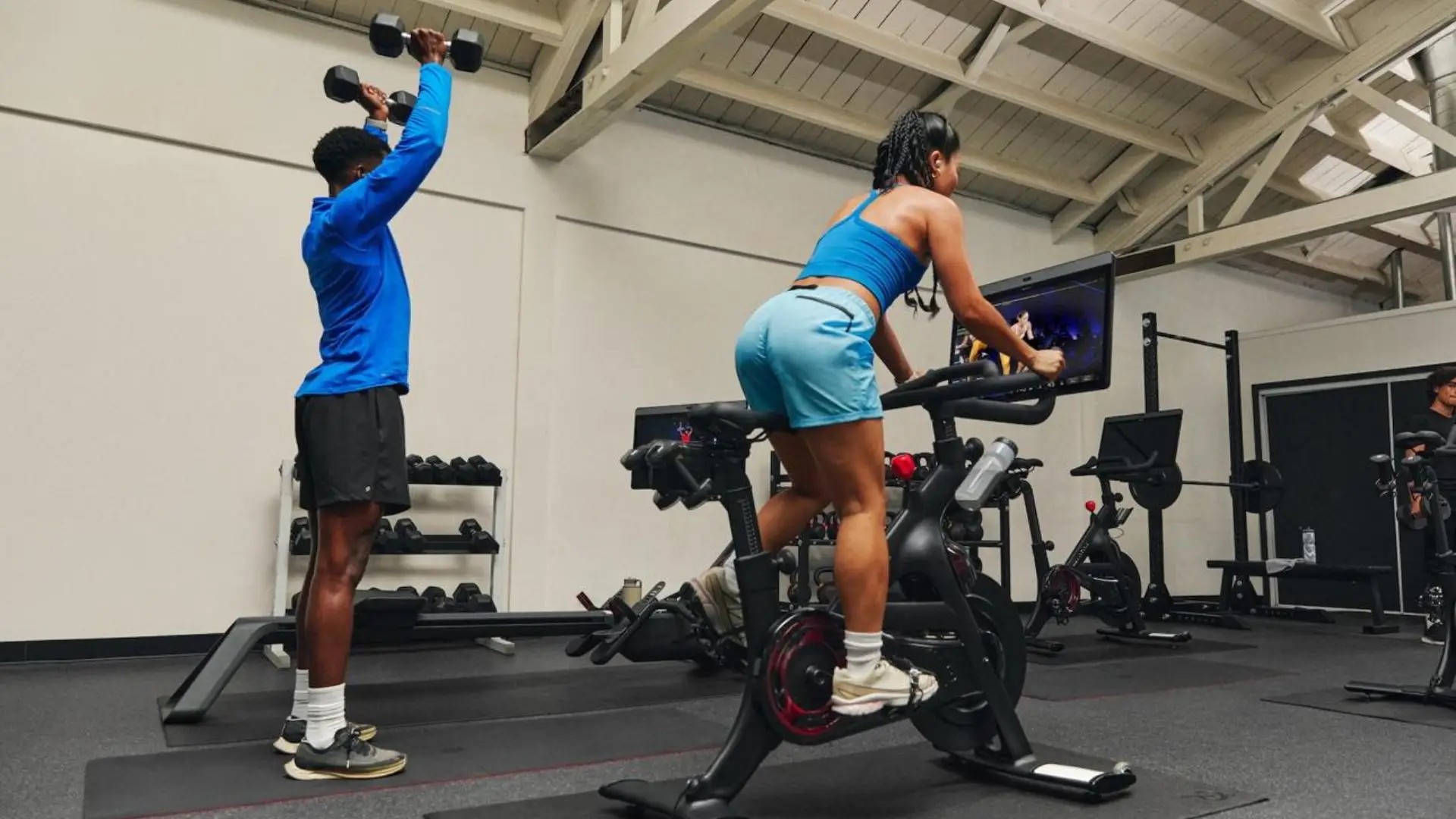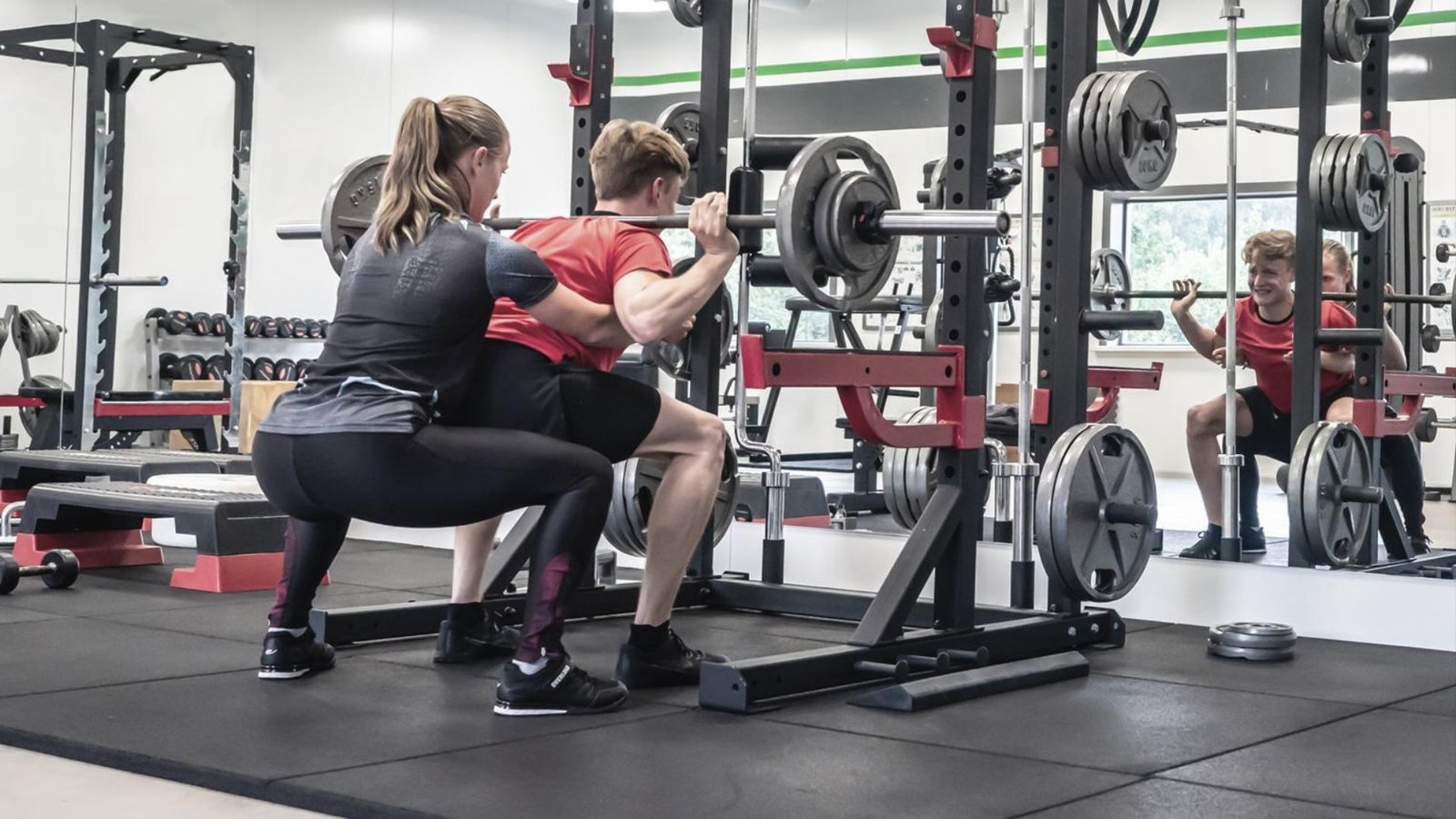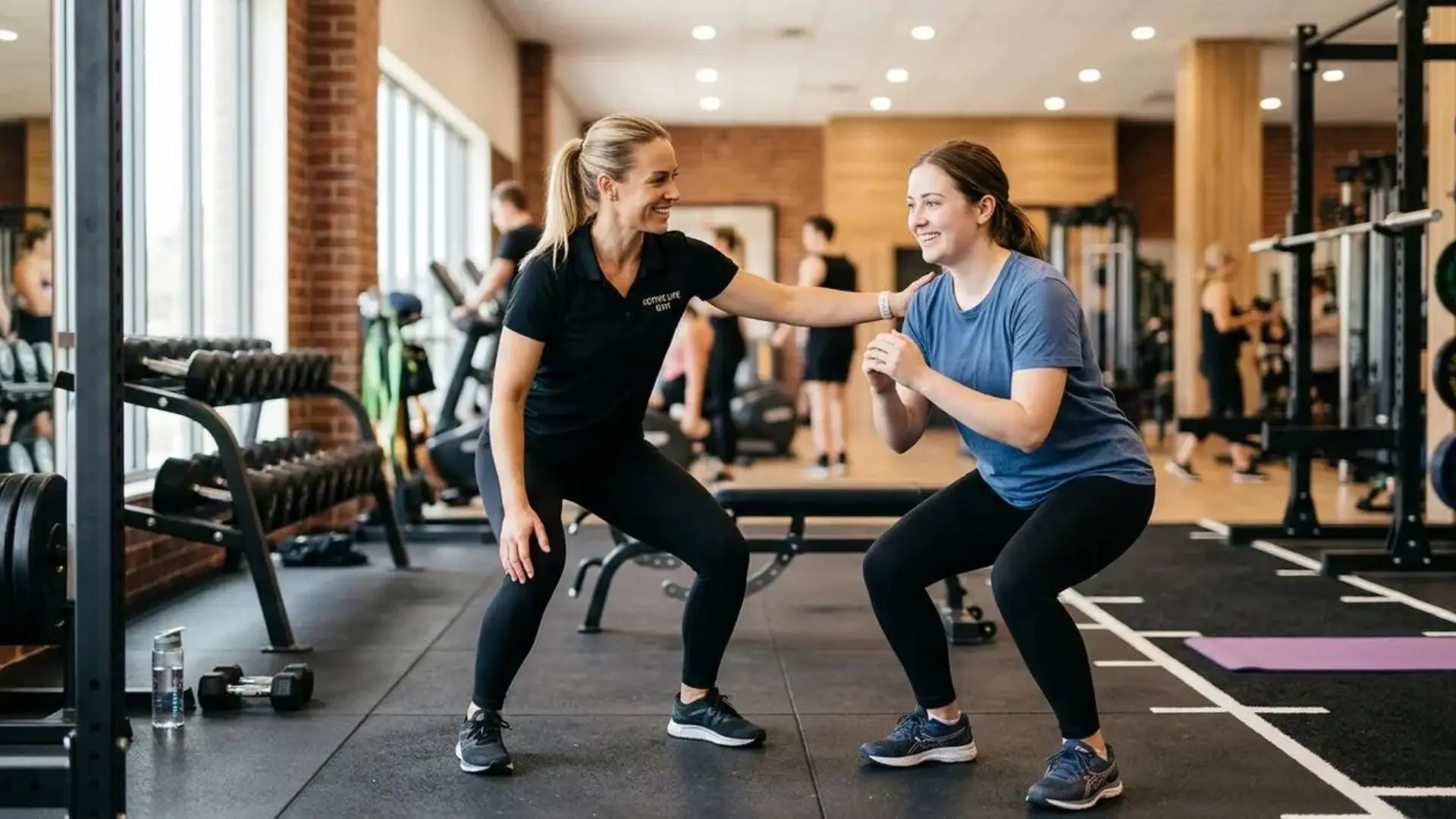
If you’re new to strength training, one of the first questions you may ask is, “Should beginners lift heavy weights?” It’s a common concern, especially if you’ve seen experienced lifters moving impressive amounts of weight at the gym.
The simple answer is not at first. Beginners don’t need to lift heavy weights to get stronger, build muscle, or lose body fat. In fact, starting with manageable resistance and focusing on proper technique is one of the fastest ways to build a solid foundation for long-term success.
In this guide, we’ll explain when beginners should increase weight, how to train safely, and what you can do to build strength while reducing your risk of injury.
Why Strength Training Is Important for Beginners
Strength training offers much more than bigger muscles.
Regular resistance training can help you:
- Build lean muscle
- Increase strength
- Improve metabolism
- Burn body fat
- Strengthen bones and joints
- Improve posture
- Increase confidence
- Make everyday activities easier
Whether your goal is weight loss, muscle building, or better overall health, strength training should be an important part of your fitness routine.
Should Beginners Lift Heavy Weights Right Away?
The answer is no.
When you’re just starting, your body is learning new movement patterns.
Your muscles, joints, tendons, and nervous system all need time to adapt.
Lifting heavy before learning proper form can increase the risk of:
- Muscle strains
- Joint pain
- Poor movement habits
- Loss of confidence
- Unnecessary injuries
Instead, beginners should first master proper technique using lighter resistance.
Start with Proper Form
The foundation of every successful strength training program is good technique.
Before increasing weight, focus on learning how to perform each exercise correctly.
This includes:
- Proper posture
- Controlled movement
- Full range of motion
- Correct breathing
- Core engagement
Good form allows you to safely increase resistance as your strength improves.
How Heavy Should Beginners Lift?
A good starting weight is one that allows you to complete your repetitions with good form while still feeling challenged during the final two or three reps.
If you can easily perform 20 repetitions without effort, the weight is probably too light.
If you cannot complete your target repetitions while maintaining good technique, the weight is too heavy.
The goal is to find the right balance between challenge and control.
Focus on Progressive Overload
One of the most effective ways to get stronger is through progressive overload.
Progressive overload means gradually increasing the demands placed on your muscles over time.
You can do this by:
- Adding a small amount of weight
- Performing more repetitions
- Increasing the number of sets
- Improving exercise technique
- Reducing rest periods when appropriate
Small, consistent improvements are much safer and more effective than trying to lift heavy too soon.
Best Strength Exercises for Beginners
Compound exercises are ideal because they train multiple muscle groups at once.
Squats
Squats strengthen your:
- Legs
- Glutes
- Core
They also improve balance and everyday movement.
Dumbbell Bench Press
A beginner-friendly exercise for building:
- Chest
- Shoulders
- Triceps
Using dumbbells also improves stability and coordination.
Dumbbell Rows
Rows strengthen your:
- Upper back
- Lats
- Biceps
They also promote better posture.
Romanian Deadlifts
This movement strengthens the:
- Hamstrings
- Glutes
- Lower back
It also teaches proper hip movement, which is important for many daily activities.
Overhead Press
This exercise develops:
- Shoulder strength
- Upper-body stability
- Core engagement
How Often Should Beginners Strength Train?
For most adults, three full-body strength workouts each week provide an excellent balance between training and recovery.
Example schedule:
Monday
Full-body workout
Wednesday
Full-body workout
Friday
Full-body workout
Rest or perform light activities such as walking or stretching on the other days.
This schedule allows your muscles to recover while helping you build strength consistently.
Nutrition Supports Strength Gains
Exercise alone isn’t enough.
Your body also needs proper nutrition to recover and build muscle.
Eat Enough Protein
Protein helps repair muscles after each workout.
Great protein sources include:
- Chicken
- Fish
- Eggs
- Greek yogurt
- Lean beef
- Cottage cheese
- Beans
- Tofu
Aim to include protein in every meal.
Stay Hydrated
Water supports:
- Muscle function
- Recovery
- Joint health
- Workout performance
Drink water consistently throughout the day, especially before and after exercise.
Fuel Your Workouts
Healthy carbohydrates provide energy for strength training.
Choose foods like:
- Oats
- Brown rice
- Sweet potatoes
- Whole-grain bread
- Fruit
These foods help you perform better and recover faster.
Common Beginner Mistakes
Avoiding these mistakes will help you make steady progress.
Trying to Impress Others
Focus on your own progress rather than comparing yourself to experienced lifters.
Everyone starts somewhere.
Skipping Warm-Ups
Always spend 5–10 minutes warming up with light cardio and dynamic stretching before lifting weights.
A proper warm-up prepares your muscles and joints for exercise.
Using Momentum Instead of Muscle
Swinging weights or rushing through repetitions reduces effectiveness and increases injury risk.
Move slowly and with control.
Ignoring Recovery
Muscles grow during recovery—not while you’re lifting.
Aim for 7–9 hours of quality sleep each night and schedule regular rest days.
Frequently Asked Questions
When Should Beginners Start Lifting Heavier?
Once you can complete your target repetitions with excellent form and the exercise no longer feels challenging, it’s time to increase the weight slightly.
Progress gradually rather than making large jumps.
Can Beginners Build Muscle Without Heavy Weights?
Absolutely.
Beginners often experience significant strength and muscle gains using moderate weights combined with proper technique and consistency.
Is Strength Training Safe for Older Adults?
Yes.
When performed with proper instruction, strength training is one of the best ways to improve muscle mass, bone health, balance, and overall quality of life.
Many adults over 40 and even over 60 successfully begin strength training.
Should Beginners Train Every Day?
Not usually.
Your muscles need time to recover between workouts.
Three to four sessions per week are enough for most beginners to see excellent results.
Why Work with an Online Personal Trainer?
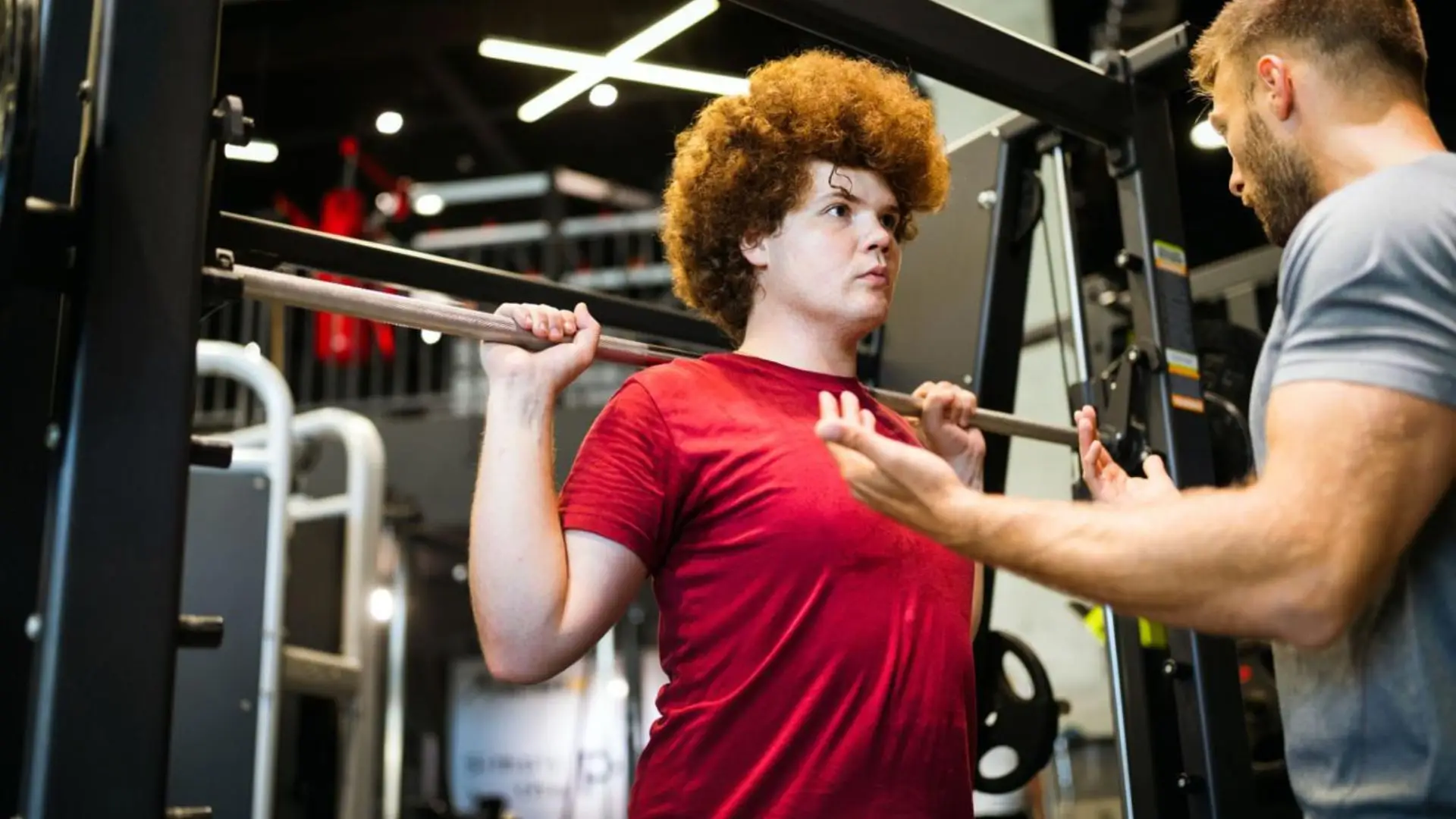
Starting a fitness routine can feel overwhelming without guidance.
An online personal trainer helps you:
- Learn proper lifting technique
- Build confidence
- Create a personalized workout plan
- Track your progress
- Stay accountable
- Increase weights safely as you improve
Having expert support helps you avoid common mistakes and reach your goals more efficiently.
Final Thoughts
So, should beginners lift heavy weights?
Not immediately.
The smartest approach is to master proper form, build consistency, and gradually increase resistance over time.
By focusing on progressive overload, good nutrition, recovery, and patience, you’ll build strength safely while reducing the risk of injury.
Remember, successful fitness isn’t about lifting the heaviest weight in the gym—it’s about becoming stronger, healthier, and more confident every week.
Ready to Build Strength the Right Way?
At Potomac Online Personal Training, we specialize in helping beginners learn safe lifting techniques, build confidence, and achieve lasting results through personalized online coaching.
Whether your goal is losing weight, building muscle, or improving your overall health, we’ll create a customized strength training program designed specifically for your experience level and lifestyle.
Contact us today to schedule your consultation and begin your strength training journey with expert guidance and ongoing support.