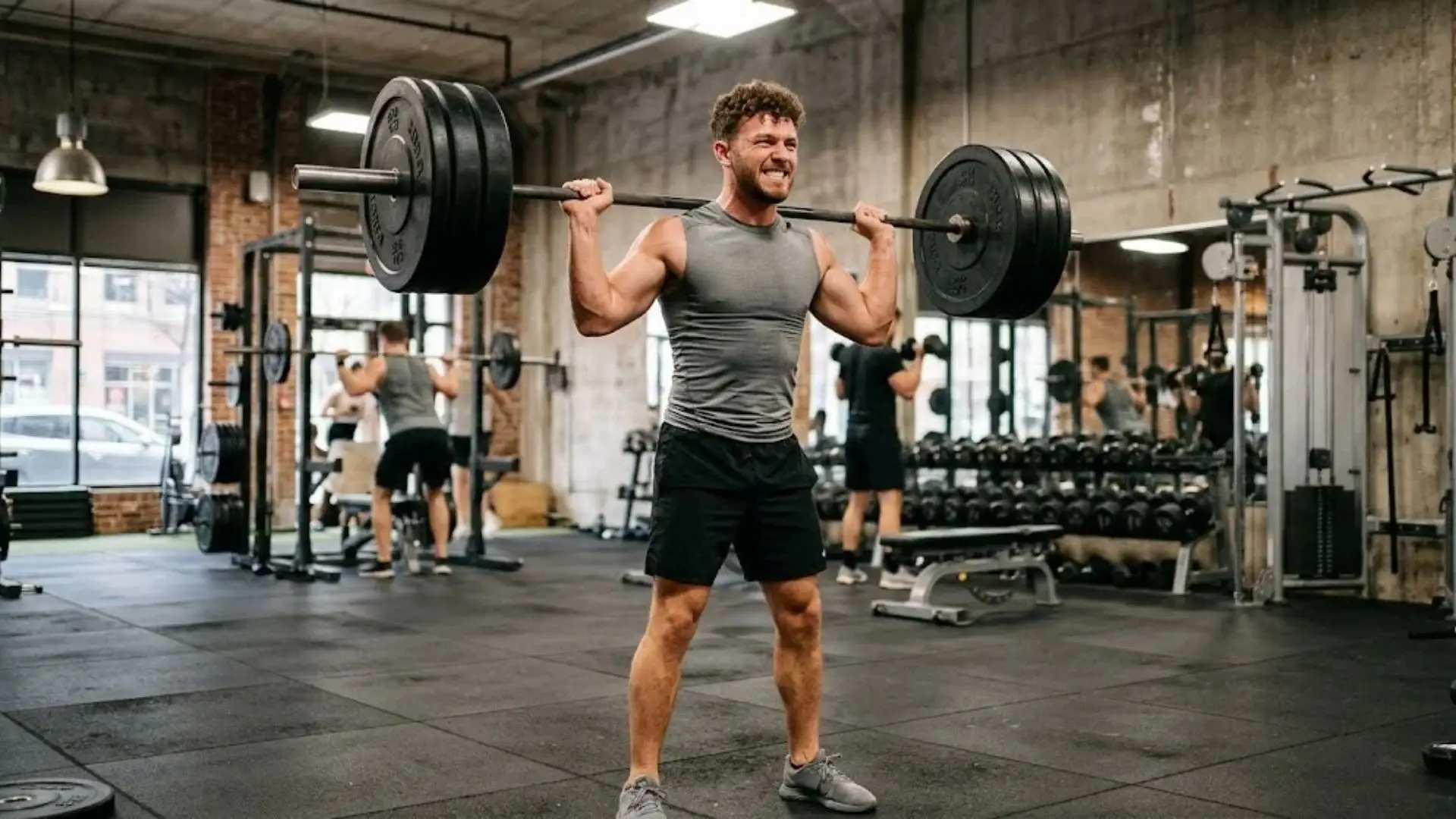
If your goal is to lose body fat, you may wonder whether lifting weights or doing cardio is the better choice. Some people spend hours running on a treadmill, while others focus almost entirely on strength training. Both approaches can help, but they offer different benefits.
Weight lifting helps build and maintain lean muscle, while cardio burns calories during exercise and improves cardiovascular fitness. The best option depends on your fitness level, lifestyle, and personal goals.
For most people, combining strength training with regular cardio and balanced nutrition is an effective way to lose fat while maintaining a strong, healthy body.
Does Weight Lifting Burn More Fat Than Cardio?
Weight lifting can support long-term fat loss, but that doesn’t mean it always burns more calories than cardio during a workout.
Cardio activities such as running, cycling, swimming, and brisk walking can burn a significant number of calories while you’re exercising. The amount depends on your body weight, workout intensity, and duration.
Weight lifting may burn fewer calories during a typical session, but it offers another important advantage: it helps preserve and build muscle.
When you lose weight through diet alone or excessive cardio, you may lose muscle along with body fat. Strength training helps reduce that risk, especially when combined with enough protein and a sensible calorie deficit.
If you’re interested in understanding which activities contribute to fat loss, read our guide on what burns the most body fat.
Benefits of Weight Lifting for Fat Loss
Strength training should be part of a well-planned fat-loss routine. You don’t need to lift extremely heavy weights or spend hours in the gym to benefit.
Here are some reasons weight lifting is useful when trying to lose body fat.
1. Helps Preserve Lean Muscle
When you’re in a calorie deficit, your body needs to use stored energy. Without resistance training, some of the weight you lose may come from muscle.
Lifting weights gives your body a reason to maintain its muscle tissue. This helps you work toward a leaner appearance rather than simply focusing on a lower number on the scale.
2. Supports a Higher Daily Energy Expenditure
Muscle tissue requires energy to maintain, although the effect of additional muscle on resting calorie burn is relatively modest.
The bigger benefit is that strength training helps you stay strong and active while losing weight. It also makes everyday activities, such as climbing stairs, carrying groceries, and walking, easier.
3. Improves Body Composition
Body composition refers to the proportion of fat and lean tissue in your body.
You may lose inches around your waist and notice changes in how your clothes fit even when your weight changes slowly. That’s why it’s helpful to track measurements, strength improvements, and progress photos alongside your scale weight.
4. Builds Strength and Confidence
Regular resistance training improves muscular strength and helps you become more capable in everyday activities.
As you progress, you may find it easier to complete workouts, lift heavier weights safely, and maintain an active lifestyle.
Benefits of Cardio for Fat Loss
Cardio is also an important part of a successful weight-loss program. It increases the number of calories you use and improves your cardiovascular health.
Here are some benefits of adding aerobic exercise to your routine.
1. Helps You Burn More Calories
Activities such as jogging, swimming, cycling, and brisk walking increase your energy expenditure.
This can make it easier to create a calorie deficit, which is necessary for losing body fat over time.
2. Improves Heart Health
Cardiovascular exercise strengthens your heart and improves your body’s ability to use oxygen.
Regular cardio can also improve endurance, making it easier to stay active throughout the day.
3. Offers Flexible Workout Options
You don’t need expensive equipment or a gym membership to get started.
You can choose activities that fit your lifestyle, including:
Walking outdoors
Jogging or running
Cycling
Swimming
Dancing
Using an elliptical machine
Low-impact cardio workouts at home
If you’re interested in balancing aerobic exercise with strength training, take a look at our article on whether you should do cardio while building muscle.
Weight Lifting vs. Cardio: Which Should You Choose?
Neither exercise is automatically better for everyone. Your best choice depends on what you want to achieve.
| Fitness Goal | Weight Lifting | Cardio |
|---|---|---|
| Preserve muscle | Excellent | Limited on its own |
| Build strength | Excellent | Limited |
| Increase workout calorie burn | Yes | Yes |
| Improve heart health | Helpful | Excellent |
| Improve endurance | Helpful | Excellent |
| Support long-term fat loss | Excellent | Excellent |
If you want to lose fat while maintaining muscle, make strength training a regular part of your schedule. Add cardio to increase activity levels, improve endurance, and support heart health.
For more guidance on creating a structured resistance routine, read our article about the best strength training program.
How to Combine Weight Lifting and Cardio for Fat Loss
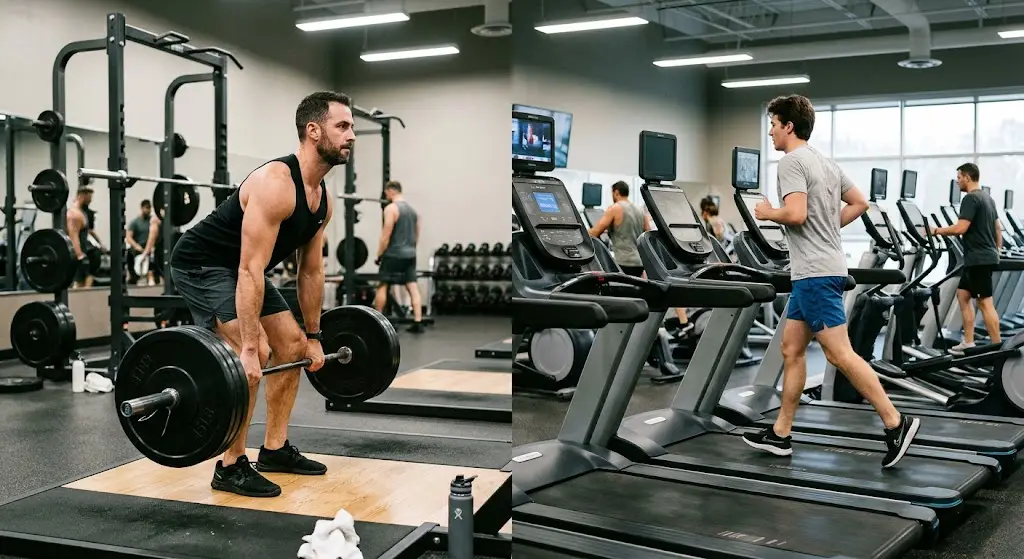
You don’t have to choose between lifting weights and doing cardio. A balanced schedule can help you improve strength, burn calories, and recover properly.
Here is an example of a weekly workout schedule:
Monday: Full-Body Strength Training
Focus on compound exercises that work multiple muscle groups.
Squats
Push-ups
Dumbbell rows
Lunges
Planks
Tuesday: Moderate Cardio
Choose an activity you enjoy, such as brisk walking, cycling, or swimming. Aim for 20–40 minutes based on your fitness level.
Wednesday: Upper-Body Strength Training
Work on your chest, back, shoulders, and arms.
Dumbbell chest press
Lat pulldowns
Shoulder presses
Bicep curls
Tricep extensions
Thursday: Light Activity or Recovery
Take a walk, stretch, or perform gentle mobility exercises. Give your muscles time to recover.
Friday: Lower-Body Strength Training
Focus on your legs and glutes.
Goblet squats
Romanian deadlifts
Step-ups
Glute bridges
Calf raises
Saturday: Cardio
Try 30 minutes of walking, cycling, swimming, or another activity you enjoy.
Sunday: Rest
Allow your body to recover before starting another week of training.
Adjust this schedule to your experience, available time, and recovery needs. Beginners may need fewer sessions at first.
Does Nutrition Matter More Than Exercise for Fat Loss?
Exercise plays an important role, but nutrition is a major factor in determining whether you lose body fat.
To lose fat, you generally need to consume fewer calories than your body uses over time. This is known as a calorie deficit.
You don’t need to follow an extreme diet. Instead, focus on habits you can maintain.
Eat Enough Protein
Protein supports muscle repair and helps preserve lean muscle while losing weight.
Include foods such as:
Chicken and turkey
Fish and seafood
Eggs
Greek yogurt
Lean beef
Tofu and beans
Choose Filling, Nutrient-Rich Foods
Build meals around vegetables, fruits, whole grains, lean proteins, and healthy fats. These foods provide nutrients and can help you feel satisfied.
Watch Your Portions
Even nutritious foods contribute calories. Pay attention to portion sizes and eating habits without feeling that you need to avoid your favorite meals completely.
Stay Hydrated
Drink water regularly throughout the day, especially before and after exercise. Proper hydration supports workout performance and recovery.
Common Mistakes to Avoid When Trying to Lose Fat
Some workout habits can make fat loss harder than it needs to be.
Doing cardio without strength training: Cardio is beneficial, but neglecting resistance exercise may make it harder to maintain muscle while losing weight.
Lifting weights without a nutrition plan: Strength training alone doesn’t guarantee fat loss. Your overall calorie intake still matters.
Training too hard every day: Your body needs recovery time. Too much exercise without adequate rest can lead to fatigue and make consistency difficult.
Expecting immediate results: Fat loss takes time. Focus on gradual improvements instead of trying to change everything in a few weeks.
Frequently Asked Questions
Can I Lose Belly Fat by Lifting Weights?
Weight lifting can help reduce overall body fat while preserving muscle, but it cannot target fat in one specific area. A consistent exercise routine and balanced nutrition can gradually reduce body fat, including around your waist.
Should I Do Cardio Before or After Weight Lifting?
If building or maintaining muscle is a priority, consider doing strength training first and cardio afterward. You can also schedule cardio on separate days to avoid fatigue during lifting sessions.
How Many Days a Week Should I Lift Weights to Lose Fat?
Many adults can start with two or three strength-training sessions per week. As your fitness improves, you can adjust your schedule based on your goals and recovery.
Final Thoughts: Is Weight Lifting Better Than Cardio for Losing Fat?
Weight lifting and cardio both support fat loss, but they serve different purposes. Strength training helps preserve muscle, improve strength, and support better body composition. Cardio increases calorie expenditure, improves endurance, and supports heart health.
Rather than choosing one over the other, combine both with balanced nutrition, enough sleep, and consistent daily movement.
The best workout plan is one you can follow regularly and adjust as your fitness improves. Start with manageable sessions, track your progress, and build healthy habits that support lasting results.
Ready to Start Losing Fat and Building Strength?
At Potomac Online Personal Training, we help adults work toward their fitness goals through personalized workout plans, nutrition guidance, and ongoing accountability.
Whether you want to lose body fat, build muscle, or improve your overall fitness, we’ll help you create a training routine that fits your schedule and experience level.
Contact Potomac Online Personal Training today to schedule your consultation and take the next step toward a stronger, healthier you.