What you eat after a workout can make a difference in how well your body recovers and how effectively you reach your fitness goals. Whether you’re trying to build muscle, lose body fat, or improve your strength, choosing the right post-workout foods helps your body repair muscle tissue, restore energy, and prepare for your next training session.
After exercise, your body needs nutrients, particularly protein and carbohydrates. Protein supports muscle repair, while carbohydrates help replenish the energy your muscles use during training.
The good news is that you don’t need expensive supplements or complicated meal plans. Everyday foods such as eggs, chicken, Greek yogurt, rice, fruit, and vegetables can provide what your body needs.
Let’s look at what to eat after a workout and how to make post-workout nutrition work for your fitness goals.
Why Is Post-Workout Nutrition Important?
Exercise places stress on your muscles and uses stored energy. Your body needs adequate nutrition afterward to recover and adapt to that physical activity.
Eating a balanced meal or snack after training can help you:
Repair and maintain muscle tissue
Replenish energy stores
Support muscle growth and strength
Reduce excessive hunger after exercise
Prepare for your next workout
Your overall daily nutrition matters more than one specific meal. However, making nutritious choices after exercise is a practical way to support consistent training and recovery.
1. Eat Protein to Support Muscle Recovery
Protein is one of the most important nutrients to include after exercise. It provides amino acids, which your body uses to repair and build muscle tissue.
Whether you’re lifting weights, running, cycling, or performing bodyweight exercises, getting enough protein throughout the day supports recovery.
Best Protein Foods to Eat After a Workout
Consider adding these foods to your post-workout meal:
Chicken breast: A lean protein source that works well with rice and vegetables.
Eggs: Provide high-quality protein and essential nutrients.
Greek yogurt: A convenient option for a quick snack.
Salmon: Contains protein and healthy omega-3 fats.
Tuna: An easy protein choice for sandwiches or salads.
Lean beef: Provides protein, iron, and vitamin B12.
Tofu: A plant-based protein option.
Cottage cheese: Provides protein and can be paired with fruit.
If building muscle is one of your goals, getting enough protein consistently is especially important. Our guide on how to build muscle fast explains how proper nutrition, strength training, and recovery work together.
2. Include Carbohydrates to Restore Energy
Protein gets plenty of attention in fitness discussions, but carbohydrates are equally useful for workout recovery.
During exercise, your body uses glycogen, which is stored carbohydrate in your muscles and liver. Eating carbohydrate-rich foods afterward helps replenish those stores.
This is particularly important if you perform intense workouts, train for endurance events, or exercise more than once a day.
Healthy Carbohydrates for Post-Workout Meals
Good options include:
Brown or white rice
Sweet potatoes
Oatmeal
Whole-grain bread
Bananas
Berries
Quinoa
Whole-grain pasta
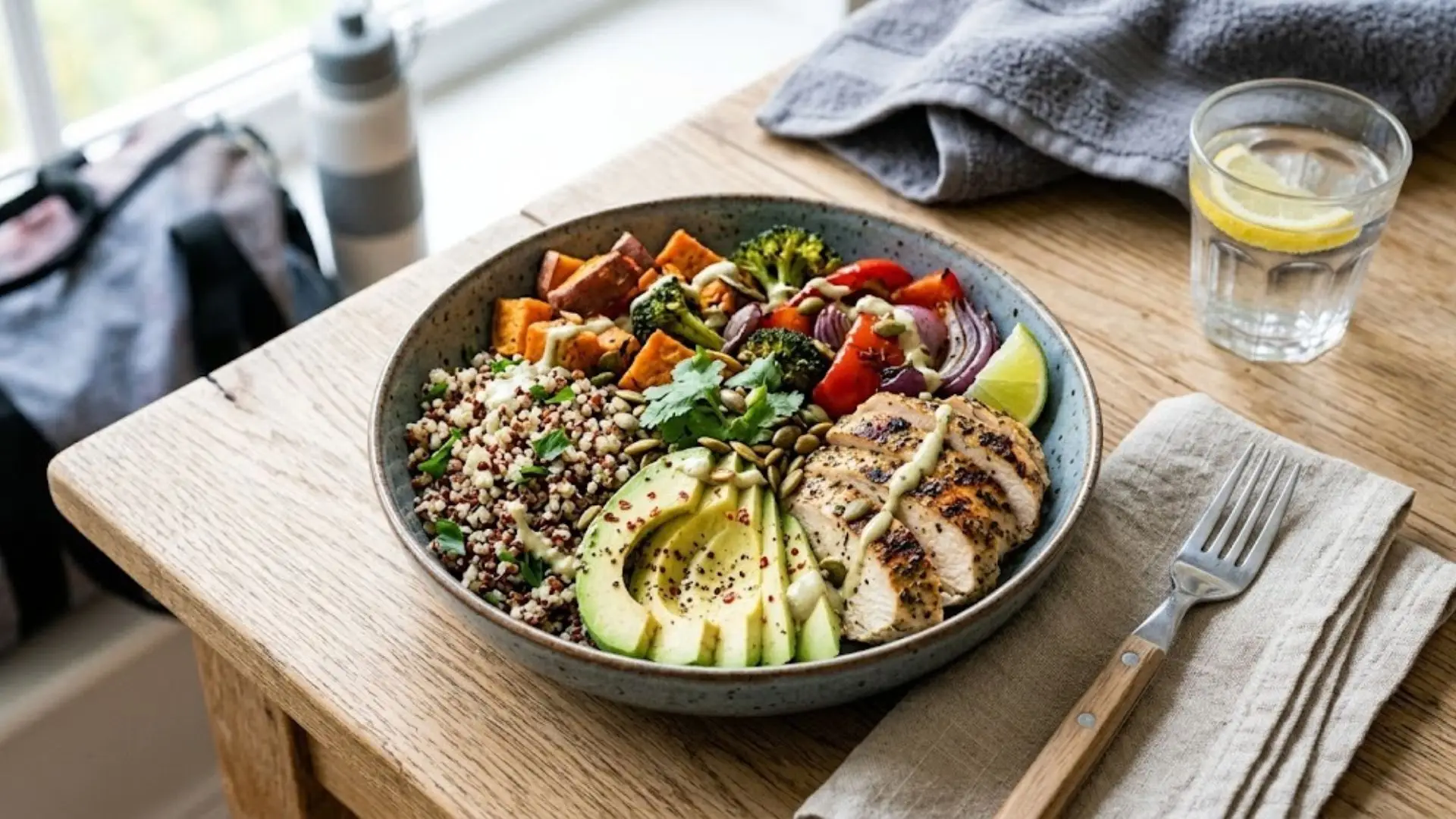
You can combine carbohydrates with protein for a balanced recovery meal. For example, grilled chicken with rice and vegetables provides protein, carbohydrates, and several important micronutrients.
If your goal is to improve strength and muscle development, our article about the best strength training program offers more guidance on structuring your workouts and supporting your progress with proper nutrition.
3. Don’t Forget Healthy Fats
Healthy fats support several important functions in the body, including hormone production and the absorption of fat-soluble vitamins.
Although protein and carbohydrates are usually the main focus immediately after exercise, healthy fats should still be part of your overall diet.
Some nutritious choices include:
Avocados
Almonds
Walnuts
Chia seeds
Flaxseeds
Olive oil
Fatty fish
You don’t need to avoid fats after a workout. Just keep portions appropriate for your overall nutrition goals, especially if you’re managing your calorie intake.
4. Drink Water to Replace Lost Fluids
You lose water through sweat during exercise. If you don’t replace those fluids, dehydration can affect how you feel and perform.
Water is usually enough after a typical workout, particularly if your session wasn’t excessively long or intense.
For longer workouts, heavy sweating, or exercise in hot conditions, you may also need to replace electrolytes such as sodium.
Tips for Staying Hydrated
Drink water regularly throughout the day.
Have water before and after your workout.
Drink more when exercising in hot weather.
Pay attention to thirst and changes in urine color.
Consider an electrolyte drink after prolonged, sweaty exercise.
You don’t need a sports drink after every gym session. For most ordinary workouts, water and a balanced meal are sufficient.
5. What Are the Best Post-Workout Meal Combinations?
You don’t need to follow a complicated meal plan to eat well after exercise. Choose foods that provide a combination of protein, carbohydrates, and other nutrients.
Here are some practical meal ideas:
Grilled Chicken with Rice and Vegetables
This is a balanced option that provides lean protein, carbohydrates, and fiber.
Eggs with Whole-Grain Toast and Fruit
A convenient breakfast or post-workout meal that combines protein and carbohydrates.
Greek Yogurt with Berries and Oats
A quick snack that provides protein, carbohydrates, and fiber.
Salmon with Sweet Potatoes
Salmon provides protein and healthy fats, while sweet potatoes supply carbohydrates and other nutrients.
Protein Smoothie with Banana
Blend milk or a fortified milk alternative, banana, and protein powder if needed. You can also add oats or Greek yogurt for extra nutrients.
These meals can be adjusted to your appetite, dietary preferences, and daily calorie needs.
How Soon Should You Eat After a Workout?
You don’t need to rush to eat immediately after finishing your last set or running session.
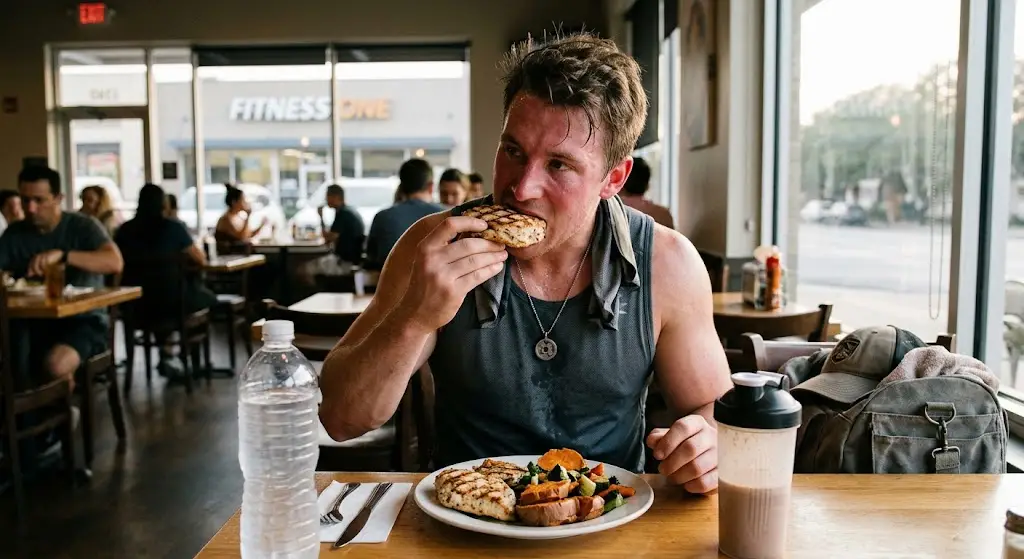
For most people, having a balanced meal within a few hours after exercise is a reasonable approach. If you haven’t eaten for several hours before training, having a protein- and carbohydrate-containing meal or snack sooner may be helpful.
Your total daily protein and calorie intake matter more than trying to hit an exact post-workout minute.
If you’re training regularly, planning your meals around your workout schedule can make it easier to get the nutrients you need.
What Should I Eat After a Workout for Different Fitness Goals?
Your post-workout meal can vary depending on what you’re trying to achieve.
If Your Goal Is to Build Muscle
Prioritize protein and eat enough calories to support muscle growth and recovery.
Good options include chicken with rice, eggs with oatmeal, Greek yogurt with fruit, or a protein smoothie.
If Your Goal Is to Lose Weight
Choose satisfying meals with lean protein, vegetables, and appropriate portions of carbohydrates.
Examples include grilled chicken salad with whole-grain bread, eggs with vegetables, or salmon with roasted vegetables.
You don’t need to skip meals after exercise to lose body fat. Eating enough to recover can help you maintain a consistent workout routine.
For more fat-loss advice, read our article on what burns the most body fat.
If Your Goal Is to Improve Endurance
Focus on replacing carbohydrates and fluids while including protein to support muscle recovery.
A meal such as rice with chicken, a turkey sandwich, or oatmeal with Greek yogurt can work well after a demanding endurance session.
Common Post-Workout Nutrition Mistakes
Even people who exercise regularly can make nutrition mistakes that affect their recovery.
Skipping meals after exercise: Consistently missing meals can make it harder to meet your daily energy and nutrient needs.
Eating too little protein: Protein supports muscle repair. Include a good protein source in your meals throughout the day.
Avoiding carbohydrates completely: Carbohydrates help replenish energy stores, especially after demanding workouts.
Relying only on supplements: Protein powders and recovery drinks can be convenient, but whole foods can provide the nutrients you need too.
Forgetting hydration: Replacing fluids is an important part of recovering after exercise.
Frequently Asked Questions
Is a Protein Shake Good After a Workout?
Yes. A protein shake is a convenient way to get protein after exercise, especially when you don't have time for a full meal. However, it isn't necessary if you can get enough protein from regular foods.
Should I Eat After Every Workout?
You don't necessarily need a separate meal after every workout, but you should meet your daily nutrition needs. If your workout takes place near a regular mealtime, simply have a balanced meal afterward.
Are Bananas Good to Eat After Exercise?
Yes. Bananas provide carbohydrates and potassium, making them a convenient snack after physical activity. Pairing one with Greek yogurt or milk adds protein.
Should I Eat Carbs After Weight Training?
Yes. Carbohydrates help replenish muscle glycogen, particularly after demanding or high-volume training. Pairing carbohydrates with protein makes a balanced recovery meal.
Can I Lose Weight While Eating After a Workout?
Absolutely. You can eat after exercise and still lose body fat. Weight loss depends largely on maintaining an appropriate calorie deficit over time, not skipping post-workout meals.
Final Thoughts: Fuel Your Body After Every Workout
Knowing what to eat after a workout can help you recover, maintain muscle, and stay consistent with your fitness routine.
Focus on protein-rich foods, nutritious carbohydrates, healthy fats, and enough water. You don’t need expensive supplements or restrictive eating habits to support your progress.
The best post-workout meal is one that fits your nutritional needs, tastes good, and helps you maintain healthy habits over time.
Get Personalized Fitness and Nutrition Guidance
At Potomac Online Personal Training, we help adults create workout routines and nutrition strategies that fit their fitness goals, schedules, and experience levels.
Whether you want to lose weight, build muscle, or improve your overall strength, personalized coaching can help you make better decisions about exercise, nutrition, and recovery.
Contact Potomac Online Personal Training today to schedule your free consultation and start working toward a stronger, healthier you.