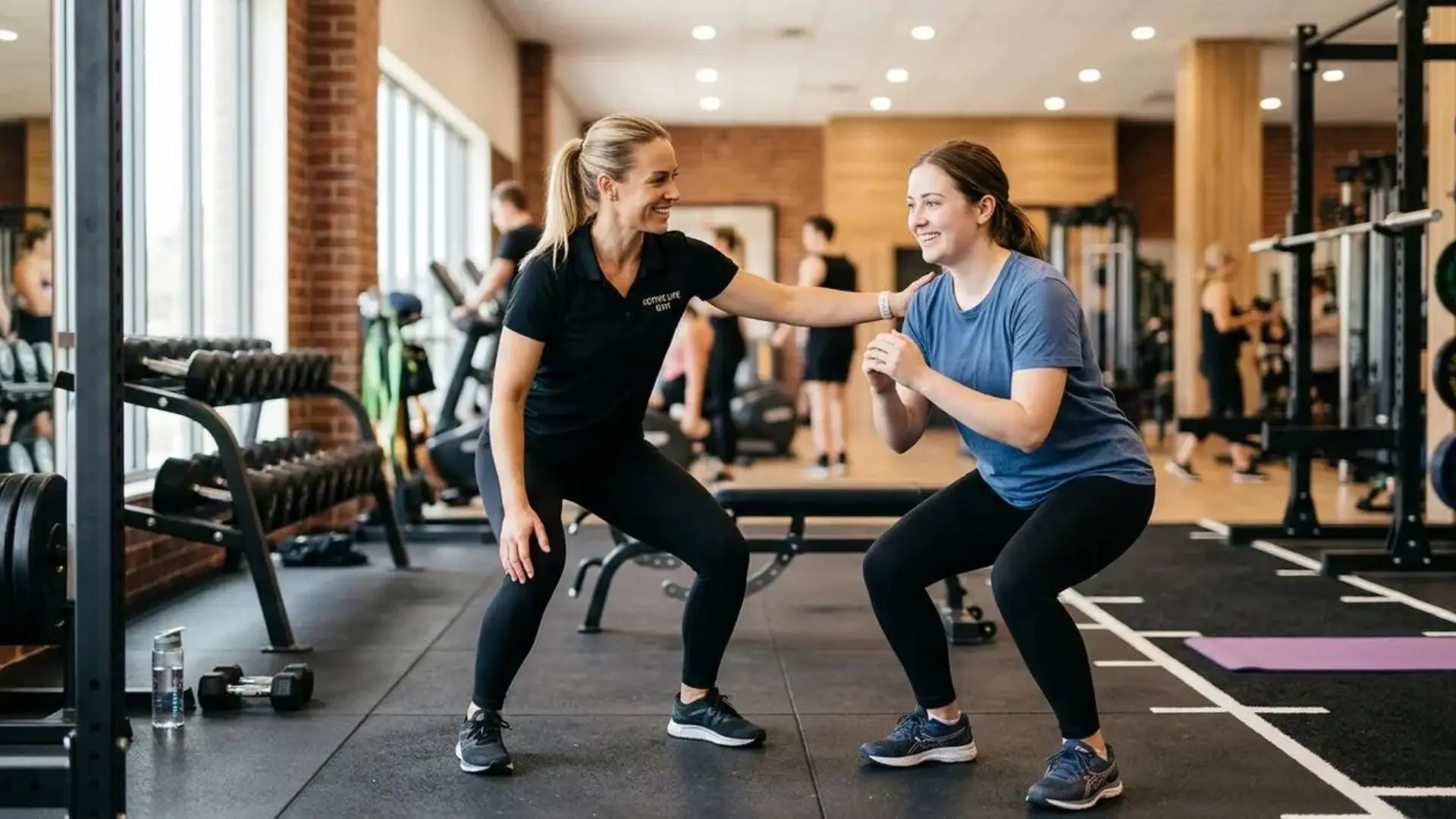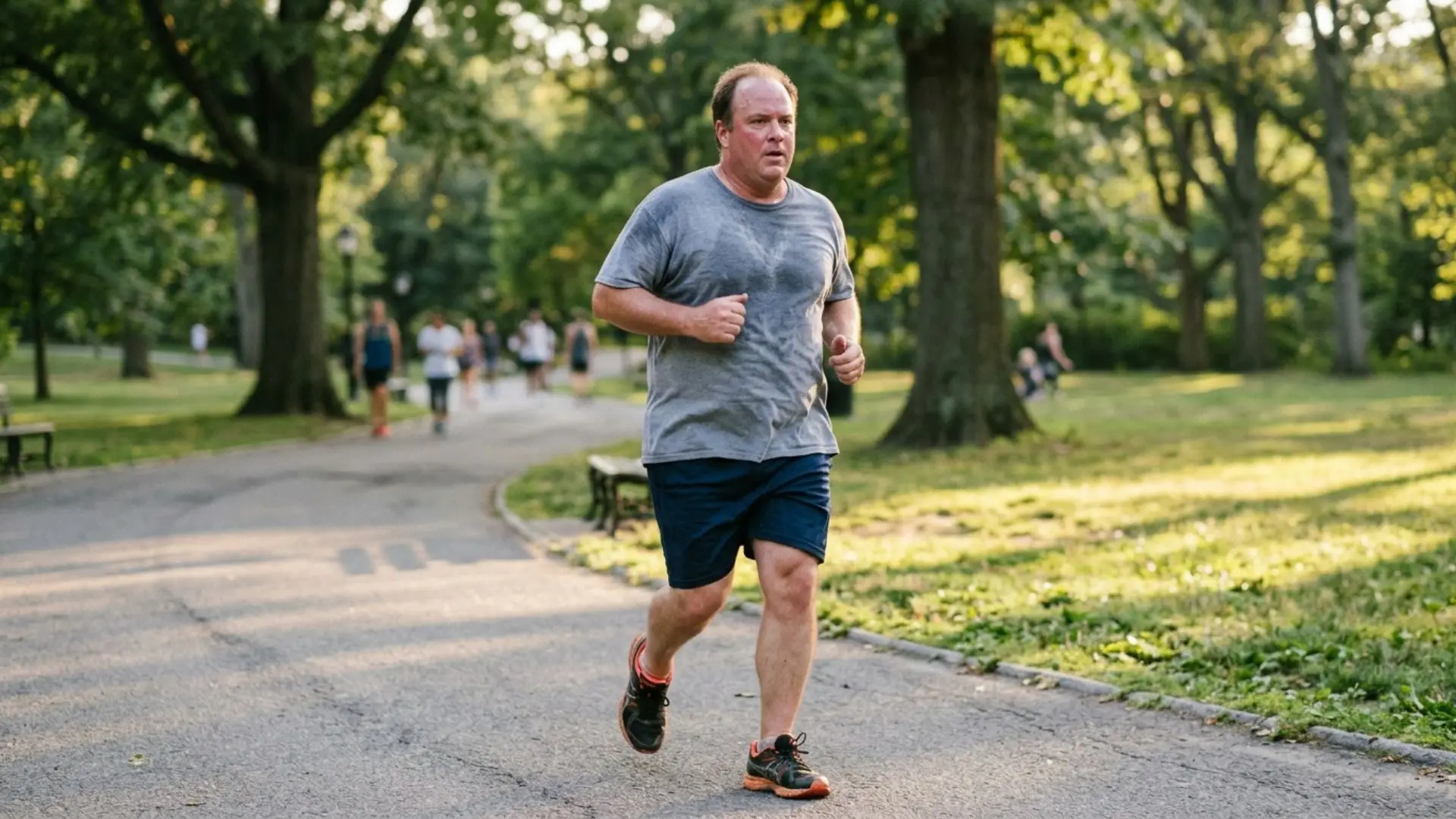
Starting to exercise when you’re overweight is not about punishing your body or jumping into an extreme routine. It’s about building a safe, repeatable habit that improves energy, strength, mood, mobility, and confidence over time. The best approach is to begin with low-impact movement, progress gradually, and pair your exercise routine with realistic weight loss tips you can actually maintain.
If you have a chronic condition, joint pain, chest pain, dizziness, shortness of breath at rest, or you have been inactive for a long time, it’s smart to check with a healthcare professional before starting. Once you have the all-clear, the goal is simple: start small, stay consistent, and let your body adapt.
How do I start exercising if I’m overweight?
Start with short, low-impact sessions that feel doable, such as 5 to 10 minutes of walking, chair exercises, water exercise, or gentle cycling. The CDC notes that adults benefit from regular activity and recommends at least 150 minutes of moderate-intensity aerobic activity per week, plus muscle-strengthening activity on 2 days, but beginners do not need to reach that target on day one. Build toward it slowly by increasing time, frequency, or intensity one step at a time.
A useful first goal is consistency, not intensity. If you can move for 8 minutes today and repeat that three or four times this week, you are already training your body and your schedule. Over time, those small sessions can become 12 minutes, then 15, then 20. This is how to start exercising if you are overweight without burning out or feeling like exercise has to take over your life.
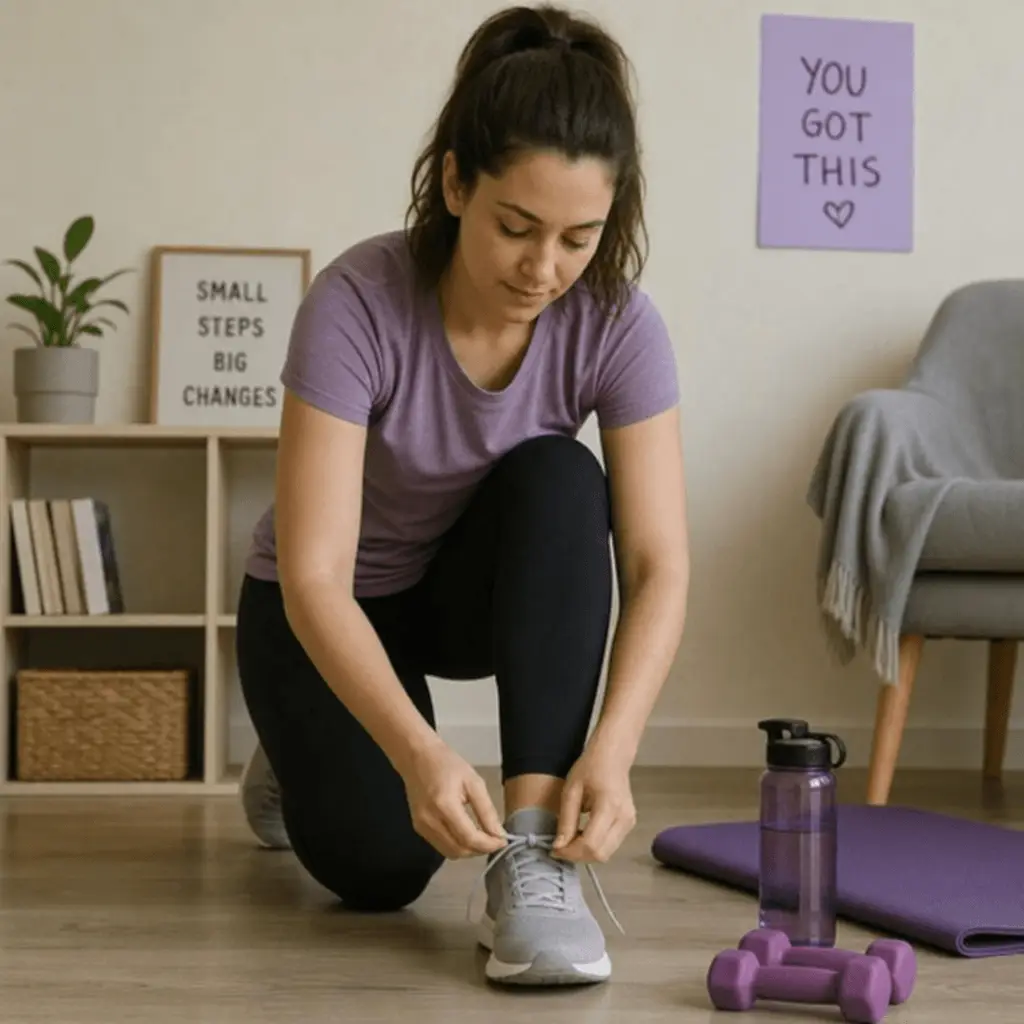
The safest first step is choosing joint-friendly movement
When you carry extra weight, high-impact exercise can feel uncomfortable on the feet, knees, hips, or lower back. That does not mean exercise is off-limits. It means your beginner workout plan should favor movements that raise your heart rate while limiting pounding and strain.
Good starter options include:
Walking: Start at a comfortable pace on flat ground, indoors or outdoors.
Water walking or swimming: Buoyancy can reduce pressure on joints while still challenging your muscles.
Stationary cycling: A recumbent bike may feel more stable and comfortable for beginners.
Chair workouts: Seated marches, arm circles, heel taps, and seated strength moves can build endurance.
Resistance bands: These help strengthen muscles without heavy weights or complex machines.
Gentle mobility work: Ankle circles, shoulder rolls, hip openers, and stretches can make daily movement easier.
The right choice is the one you can repeat without dreading it. Mild muscle soreness can happen when you begin, but sharp pain, chest discomfort, faintness, or unusual shortness of breath are signs to stop and seek medical guidance.
A simple beginner workout plan for the first four weeks
This plan is intentionally modest. If it feels too easy, resist the urge to double everything immediately. Progress is safer and more sustainable when your joints, muscles, and lungs have time to adapt.
Week 1: Build the habit
Aim for 5 to 10 minutes of easy movement, 3 to 4 days this week. Walking, chair cardio, or gentle cycling all count. Keep the pace comfortable enough that you can speak in full sentences.
Add 3 minutes of mobility after each session. Try shoulder rolls, seated knee lifts, ankle circles, and slow standing sit-to-stands if they feel safe.
Week 2: Add a little time
Move for 10 to 15 minutes, 4 days this week. You can do one session or split it into two shorter sessions, such as 7 minutes in the morning and 7 minutes later in the day.
Add one light strength session. Try 1 set of 8 to 10 repetitions each: wall push-ups, seated band rows, sit-to-stands, and standing calf raises while holding a sturdy surface.
Week 3: Strengthen your foundation
Move for 15 to 20 minutes, 4 days this week. Keep most sessions easy, but include a few slightly brisk intervals if your body feels ready, such as 30 seconds a little faster followed by 90 seconds easy.
Do 2 light strength sessions this week. Strength training helps with daily tasks like climbing stairs, carrying groceries, and getting up from a chair.
Week 4: Create your repeatable routine
Aim for 20 minutes of low-impact cardio, 4 to 5 days this week, plus 2 strength sessions. If 20 minutes is too much, stay at 10 or 15 minutes longer. The plan works best when it respects your current ability instead of forcing an arbitrary pace.
By the end of four weeks, your “win” is not a specific number on the scale. It is having proof that you can show up for yourself repeatedly.
How to start exercising if you are very overweight?
If you are very overweight, begin with even smaller sessions and choose movements that feel stable, supported, and low-impact. You might start with 3 to 5 minutes at a time, seated exercises, water-based activity, or short walks inside your home. The CDC’s archived guidance for previously sedentary adults recommends starting with short 5- to 10-minute sessions and gradually building up; it also advises people with chronic health problems or obesity to consult a physician before beginning a new program.
This is not “less than” a normal workout. It is the correct workout for your starting point. If walking outside feels intimidating, walk a hallway. If standing hurts, sit and move your arms and legs. If gyms feel uncomfortable, begin at home. The important thing is to reduce friction until movement becomes part of your day.
A very gentle starter session could look like this:
Seated marching: 60 seconds.
Arm reaches: 8 slow reaches per side.
Ankle pumps: 15 per side.
Sit-to-stand practice: 3 to 5 reps, or skip if uncomfortable.
Easy walk or step taps: 2 minutes.
Slow breathing: 60 seconds.
Repeat once if you feel good. Stop after one round if that is enough. Enough is a powerful place to begin.
Weight loss tips that support your workouts
Exercise is valuable even before weight loss happens. It can improve stamina, sleep quality, mood, strength, and everyday function. For weight loss, though, physical activity works best when paired with nutrition habits that help create a sustainable calorie deficit; the CDC notes that losing weight and keeping it off often involves both regular physical activity and healthy eating patterns.
Try these practical weight loss tips alongside your workouts:
Keep protein in meals. Protein can help meals feel more satisfying and supports muscle as you become more active.
Add volume with plants. Vegetables, fruit, beans, and whole grains can make meals feel fuller without relying on tiny portions.
Drink water before snacking. Thirst and habit can sometimes feel like hunger.
Plan one reliable meal. A repeatable breakfast or lunch reduces decision fatigue.
Avoid “I exercised, so I blew it” thinking. One missed workout or one higher-calorie meal does not erase your progress.
Track patterns, not perfection. Sleep, stress, steps, meals, and mood all influence consistency.
Do not slash calories aggressively just because you started exercising. Under-eating can make workouts feel miserable and increase the chance you quit. A steady approach is usually easier to maintain.
Workout motivation grows after you begin
Many people wait to feel motivated before they start. In reality, workout motivation often appears after a few small wins. You take a short walk, feel proud, sleep a little better, and become more willing to do it again.
Make motivation easier by designing your environment:
Put walking shoes where you can see them.
Schedule workouts like appointments.
Use a playlist, podcast, or audiobook only during movement.
Keep a visible calendar and mark every day you move.
Choose a backup plan for low-energy days, such as 5 minutes of stretching.
Celebrate non-scale wins: less stiffness, better balance, more confidence, easier stairs.
The most motivating workout is the one you finish feeling capable. If every session leaves you crushed, scale it back. You are building trust with your body, and trust grows through repeatable success.
Common mistakes to avoid when you start exercising if overweight
Beginning is exciting, but doing too much too soon can lead to soreness, frustration, or injury. Avoid comparing your starting point to someone else’s middle chapter. Your plan should fit your body, schedule, and recovery.
Watch out for these common mistakes:
Starting with high-impact workouts. Running, jumping, and intense boot camps may not be the best first step.
Ignoring pain. Discomfort and effort are different from sharp or worsening pain.
Changing everything at once. A new diet, new workout, new sleep schedule, and new gym routine can become overwhelming.
Only doing cardio. Strength training supports joints, posture, and everyday movement.
Using the scale as the only measure. Fitness can improve even when scale changes are slow.
Quitting after a missed day. Consistency is built over weeks, not ruined by one gap.
A better mindset is: “What is the smallest version I can do today?” Five minutes keeps the habit alive, and habits are what create long-term change.
FAQ
How many days a week should I exercise as a beginner?
Start with 3 to 4 days a week if you have been inactive. As your fitness improves, you can work toward most days of the week, especially with low-impact movement like walking. Rest days are useful, but complete inactivity is not the only option; gentle stretching or an easy stroll can still support the habit.
Is walking enough to lose weight?
Walking can be an excellent starting point and may support weight loss when combined with nutrition changes. It is accessible, low-cost, and easy to scale by adding minutes, distance, or gentle hills. For best results, add strength training as you become more comfortable.
What if I get out of breath quickly?
Slow down, shorten the session, or use intervals. For example, walk for 1 minute, rest for 1 minute, and repeat. If breathlessness feels severe, unusual, or comes with chest pain, dizziness, or nausea, stop and seek medical advice.
Should I join a gym?
A gym can help, but it is not required. You can start exercising if overweight with walking, chair workouts, resistance bands, household movement, or water exercise. The best setting is the one where you feel safe and consistent.
How long until exercise feels easier?
Many beginners notice small improvements within a few weeks, such as better stamina or less hesitation around movement. The timeline varies, so focus on repeatable actions rather than a deadline. Progress is still progress when it is gradual.
Take the First Step: A Safe, Gentle, and Supportive Way to Start
Starting an exercise routine when you’re carrying extra weight can feel intimidating, but you don’t need high-impact workouts, joint-pounding cardio, or punishing bootcamps to make progress. The secret is beginning with smart, low-impact movements that build confidence, boost your energy, and protect your joints as you get stronger.
You don’t have to guess which exercises are safe or worry about pushing too hard too soon. Contact us today to connect with our supportive fitness coaches, and let’s design a personalized, beginner-friendly routine tailored specifically to your body, comfort level, and long-term goals.