The right pre-exercise nutrition helps you lift with more energy, stay comfortable, and recover with the building blocks your muscles need. For most strength sessions, that means eating carbohydrates for training fuel, protein for muscle repair and adaptation, and keeping fat and fiber modest when you are close to your workout. The best choice depends less on one “perfect” food and more on timing, portion size, digestion, and how hard you plan to train.
What should you eat before strength training?
Before strength training, eat a meal or snack that combines carbs and protein, with the portion matched to how soon you train. Carbohydrate helps support glycogen, an important fuel source for resistance training, while protein around the workout window can support muscle protein synthesis and recovery adaptations. Research reviews from the International Society of Sports Nutrition note that carbohydrate and protein strategies around resistance training can support strength and body-composition goals, though exact timing is flexible and depends on the total day’s intake.
A practical target is 20–40 grams of carbs plus 10–30 grams of protein before training, adjusted up for larger athletes, longer sessions, or high-volume leg days. If you are eating a full meal two to three hours beforehand, you can include more volume and slower-digesting foods. If you are eating 30–60 minutes before lifting, keep it smaller and easier to digest.
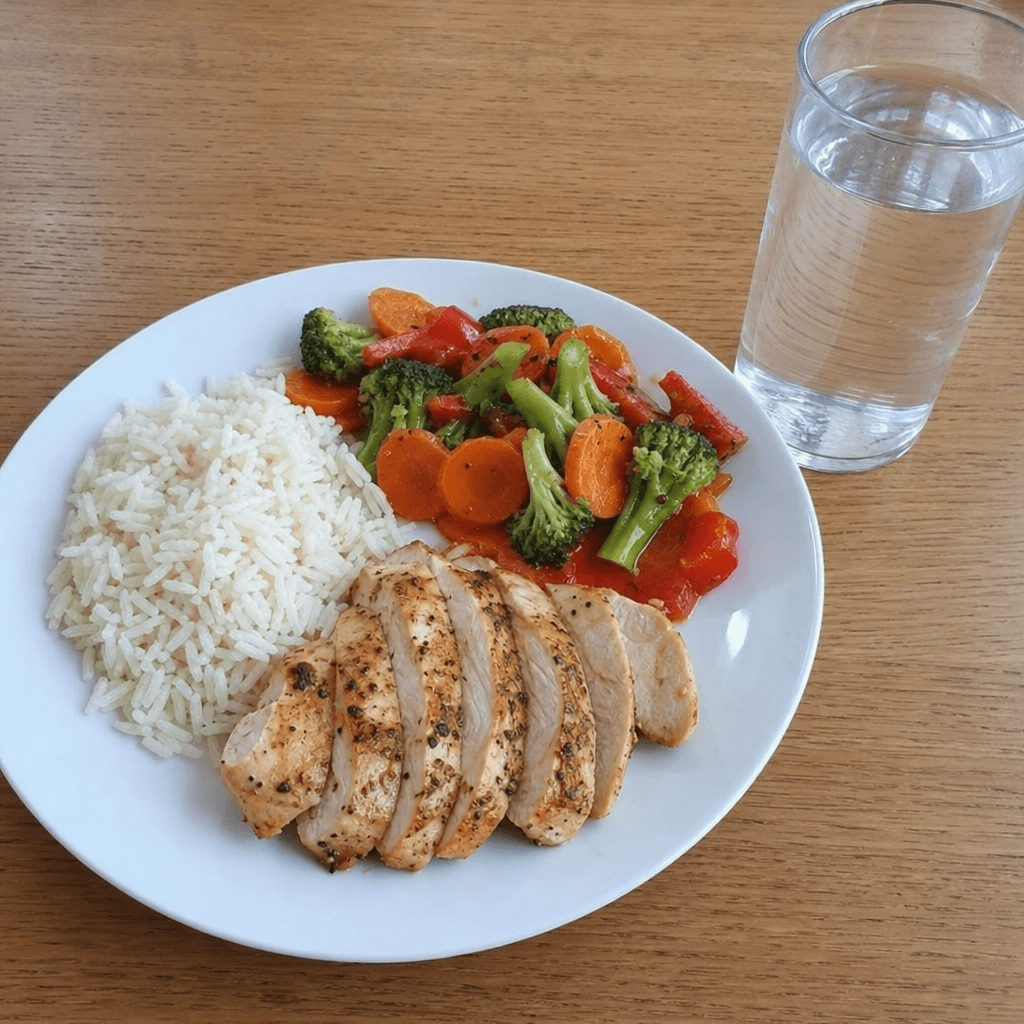
Good pre-workout nutrition for strength training is not about feeling stuffed. It is about showing up with steady energy, a settled stomach, and enough amino acids available from your overall protein intake.
The simple pre-workout plate
For most lifters, the easiest formula is:
Carbs: oats, rice, potatoes, toast, fruit, cereal, rice cakes, or pasta
Protein: Greek yogurt, eggs, chicken, turkey, tofu, cottage cheese, whey, or a protein smoothie
Small amount of fat: nut butter, avocado, olive oil, or whole eggs, if you have enough digestion time
Fluids: water, plus electrolytes if you sweat heavily or train in heat
This plate changes based on the clock. A full bowl of rice, chicken, and vegetables may work well two hours before training. The same meal 20 minutes before squats may feel heavy, because fat, fiber, and large portions slow digestion.
Pre workout nutrition timing for strength training
Pre workout nutrition timing for strength training is mainly a digestion problem and a performance problem. The closer you get to your session, the simpler and smaller your food should be. Use this timing guide as a starting point, then refine based on your stomach, schedule, and training intensity.
2–3 hours before lifting
Choose a full, balanced meal with carbs, protein, and moderate fat. This gives your body time to digest while still providing fuel. Examples include:
Chicken, rice, and cooked vegetables
Eggs with toast and fruit
Greek yogurt with oats and berries
Tofu or turkey wrap with potatoes or fruit
Pasta with lean protein and a light sauce
This window is ideal before heavy compound lifting, long sessions, or workouts where you want to push volume. If you often feel flat in the gym, this is the first place to improve your pre-workout meals.
60–90 minutes before lifting
Go smaller and keep the meal easy to digest. Aim for carbs plus protein, with lower fat and moderate fiber. Try:
Greek yogurt with banana
Toast with turkey slices
Smoothie with milk, protein powder, and fruit
Oatmeal with whey mixed in
Cottage cheese with berries and a few crackers
This is a useful window for people who train after work, during lunch, or between errands. You get enough fuel without asking your digestive system to handle a huge meal.
30–45 minutes before lifting
Pick one of the best pre-workout snacks: small, familiar, carb-forward, and low in fat. Add a little protein if it sits well. Options include:
Banana and a few sips of a protein shake
Rice cakes with a thin spread of nut butter
Applesauce pouch and string cheese
Low-fiber granola bar
Toast with honey
Sports drink plus a small protein source
This is not the time for a giant salad, fried meal, or experimental supplement. Think quick energy, minimal stomach load.
How do carbs and protein work before lifting?
Carbs provide accessible training fuel, while protein supplies amino acids that support repair and adaptation before or after resistance exercise. For strength training, you are not usually depleting glycogen as dramatically as during long endurance events, but hard sets, high volume, supersets, and lower-body training still use carbohydrate as an important energy source. Protein timing matters, too, but it works best as part of consistent daily intake rather than a single magic serving.
If your workout is short and low volume, a normal meal a few hours earlier may be enough. If your workout is intense, long, or scheduled after several hours without food, a carb-and-protein snack can make a noticeable difference in perceived energy.
A useful rule: carbs help you train harder; protein helps your muscles make use of the training signal. You need both across the day, and it often helps to include both before lifting.
Best pre-workout snacks for common schedules
Your “best” snack is the one you can repeat without digestive drama. Use these scenarios to match food to real life.
Situation | Best fit | Example |
|---|---|---|
Early morning workout | Light, quick carbs with optional protein | Banana, toast, or half a smoothie |
Training after work | Small meal 60–90 minutes before | Yogurt with oats and fruit |
Heavy leg day | Larger meal 2–3 hours before | Rice, lean protein, cooked vegetables |
No appetite | Liquid nutrition | Protein smoothie with fruit |
Sensitive stomach | Low-fiber, low-fat foods | Rice cakes, applesauce, toast |
Long strength session | Meal plus fluids | Chicken wrap, fruit, water |
For early workouts, you may not need a full meal. Start with something small, such as a banana or toast, especially if training fasted leaves you shaky or underpowered. If you lift well fasted and feel good, focus on eating a strong protein-rich meal after training.
Foods to avoid before strength training
Some foods are healthy in general but poorly timed right before lifting. The goal is not to label foods as “bad.” It is to avoid combinations that make you sluggish, bloated, or distracted under a barbell.
Be cautious with:
High-fat meals: fried foods, greasy takeout, heavy cream sauces, large portions of nut butter
Very high-fiber foods: big salads, beans, bran-heavy cereals, large servings of raw vegetables
Sugar-only snacks: candy, donuts, sweet drinks without protein or a larger meal context
Carbonated drinks: if they cause bloating or burping during bracing
New foods or supplements: especially before testing a max or doing high-volume training
Fat and fiber slow digestion, which can be useful at other times of day but uncomfortable right before training. Simple sugar alone may help in a pinch, but pairing carbs with protein or eating a better meal earlier usually gives steadier energy.
Hydration is part of the meal plan
Even a well-planned meal can fall flat if you start dehydrated. Drink water steadily through the day rather than trying to chug a bottle in the parking lot. Hydration supports normal muscle function, focus, and comfort during training.
For most everyday lifting sessions, water is enough. If you train for a long time, sweat heavily, or exercise in a hot gym, electrolytes or a sports drink may be useful. A sports drink can also help when you need quick carbs close to training but cannot tolerate solid food.
A simple hydration checklist:
Drink water with your pre-workout meal.
Bring a bottle to training.
Add electrolytes if you finish sessions with salt stains, headaches, or cramping tendencies.
Rehydrate after training, especially if your next session is within 24 hours.
Where pre-workout supplements fit
Pre-workout supplements can help, but they should not replace food, sleep, hydration, or a sensible training plan. Caffeine has evidence for improving exercise performance in many people, with ISSN noting commonly studied doses around 3–6 mg per kilogram of body mass; however, tolerance, anxiety, sleep disruption, and blood pressure considerations matter.
Creatine is different from a stimulant pre-workout. It works by consistent daily use, not by an immediate “kick,” and ISSN describes creatine monohydrate as one of the most effective supplements for increasing high-intensity exercise capacity and lean mass during training.
Be careful with multi-ingredient pre-workout supplements if you do not know the dose of caffeine or other stimulants. If you are pregnant, managing a medical condition, taking medication, or sensitive to stimulants, ask a qualified healthcare professional before using them.
Adjusting for goals, age, and training style
Pre workout nutrition for strength training should match your bigger goal. If you are trying to build muscle, do not let “light” pre-workout eating become a pattern of under-fueling. Consistent calories, protein, and progressive training matter more than one perfectly timed snack.
If your goal is fat loss, you can still eat before lifting. A small carb-and-protein snack may help you train harder, preserve performance, and avoid overeating later. For older adults, protein distribution across the day can be especially important because muscle-building responses may become less efficient with age; a protein-containing meal or snack near training can be a practical habit.
Strength training also differs from steady cardio. You may not need as many quick carbs for a short lifting session as you would for a long run, but you do need enough energy to produce force, focus, and recover between sets.
A practical pre-workout decision guide
Use this quick guide before your next session:
Training in 3 hours? Eat a full meal with carbs, protein, and some fat.
Training in 90 minutes? Eat a smaller carb-and-protein meal.
Training in 30 minutes? Choose a light snack with easy carbs.
Stomach feels sensitive? Lower fat, lower fiber, and use familiar foods.
Session is heavy or long? Prioritize carbs earlier in the day.
You already ate a balanced meal recently? You may only need water.
You keep crashing mid-workout? Increase carbs before training or improve meal timing.
The best plan is repeatable. Track how you feel for two weeks: energy, stomach comfort, pump, strength, and recovery. Patterns will tell you more than a single workout.
FAQ
Is it okay to lift weights on an empty stomach?
Yes, some people lift well fasted, especially for shorter or lower-volume sessions. But if you feel weak, shaky, lightheaded, or unusually fatigued, try a small carb snack or a protein-and-carb meal before training. Performance is the priority.
How much protein should I eat before strength training?
Many lifters do well with about 10–30 grams of protein before training, depending on body size, meal timing, and total daily protein. If you ate a protein-rich meal within the last few hours, you may not need another large serving immediately before lifting.
Are pre-workout meals better than snacks?
Neither is automatically better. Meals are better when you have two to three hours to digest, while snacks are better when you are close to training. The right choice is the one that fuels the session without making you feel heavy.
Should I take caffeine before every workout?
Not necessarily. Caffeine can improve performance for many people, but daily use may affect sleep or increase tolerance. Save it for harder sessions if it disrupts your sleep, and avoid taking it late in the day.
Fuel Your Workouts, Maximize Your Strength, and Lift Harder
Fueling your body with the right pre-workout nutrition is the key to unlocking peak energy, maximizing your strength, and preventing fatigue halfway through your heavy sets. Whether you need a quick, easily digestible snack before a morning session or a structured meal to power through an intense workout, timing your carbs and protein correctly makes all the difference in your performance.
Stop guessing what to eat or suffering from low energy on the gym floor. Contact us today to speak with our sports nutrition experts, and let’s design a personalized pre-workout fueling strategy tailored specifically to your digestion, schedule, and training goals.