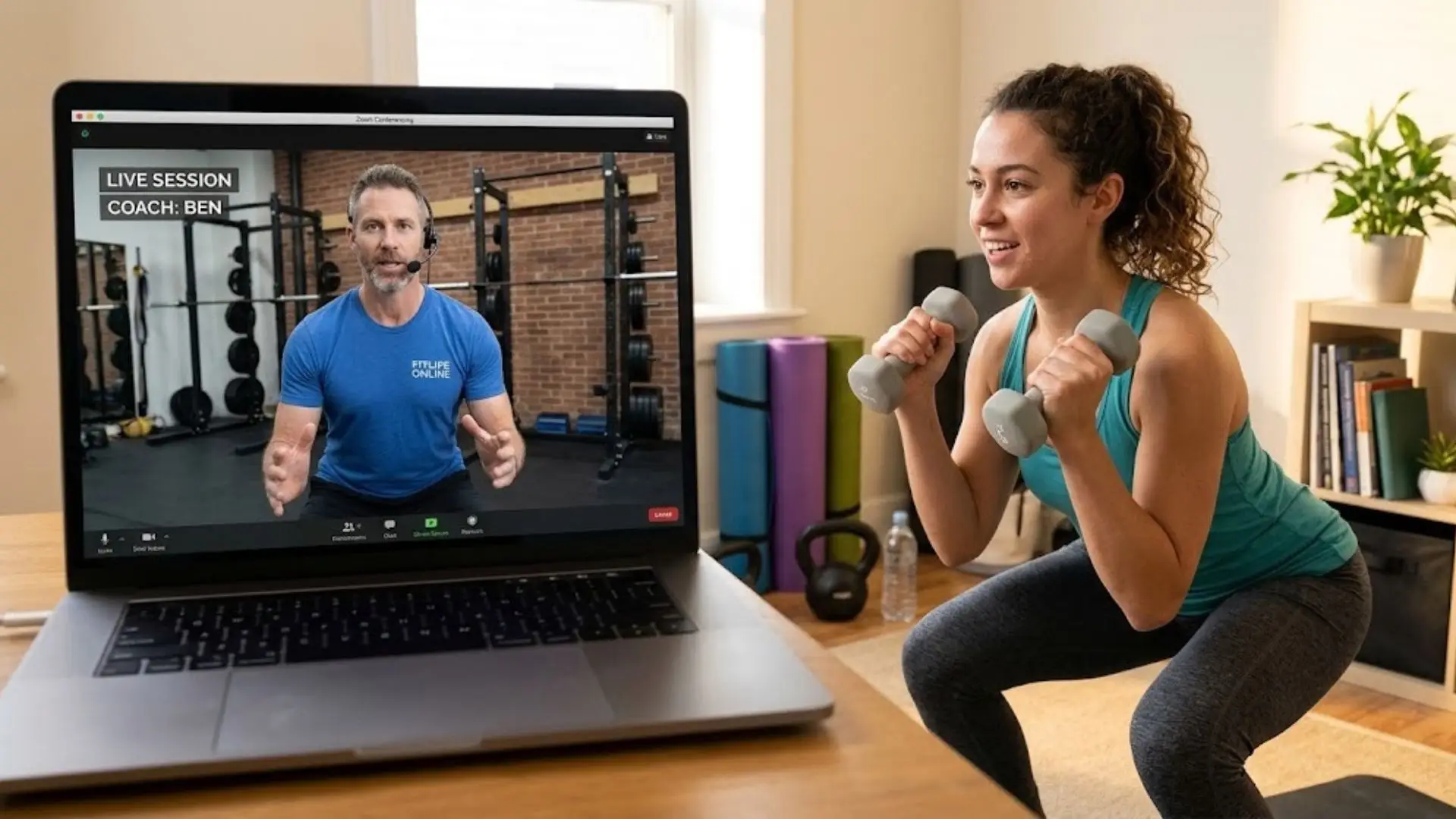
Starting a fitness routine can feel overwhelming, especially if you’re unsure how often you should exercise. You might see experienced gym members working out five or six days a week and wonder whether you need to follow the same schedule.
The truth is that beginners don’t need to train every day. Starting with a manageable number of workouts and gradually increasing your activity is a better way to build consistency.
For most beginners, exercising three days per week is a good starting point. You can use those sessions to develop strength, improve cardiovascular fitness, and learn proper exercise techniques without putting too much stress on your body.
Let’s look at how often beginners should work out and how to organize a weekly schedule.
How Many Days a Week Should Beginners Exercise?
Most beginners can start with two or three structured workouts per week. Three sessions provide a good balance between exercise and recovery, particularly when each workout targets multiple muscle groups.
A beginner-friendly schedule might look like this:
Monday: Full-body strength training
Tuesday: Rest or light walking
Wednesday: Full-body strength training
Thursday: Rest or gentle stretching
Friday: Full-body strength training
Saturday: Walking, cycling, or another enjoyable activity
Sunday: Rest
This routine gives your muscles time to recover between strength-training sessions while keeping you active throughout the week.
If three workouts feel too demanding at first, start with two. You can increase your frequency as your fitness and confidence improve.
Why Three Workouts Per Week Are a Good Starting Point
There are several reasons why three weekly workouts can work well for someone who is new to exercise.
1. Your Body Has Time to Recover
Exercise challenges your muscles, joints, and cardiovascular system. Recovery allows your body to adapt to that stress.
Beginners may experience muscle soreness when starting a new routine. Training the same muscles intensely every day can make recovery more difficult.
Spacing your strength workouts throughout the week gives your muscles time to repair and adapt.
2. You Can Build Strength Consistently
You don’t need daily gym sessions to become stronger.
Three well-planned strength workouts can give beginners enough practice to improve their technique, develop coordination, and gradually increase resistance.
Our guide on the best strength training program explains how structured workouts, compound exercises, and progressive overload help you build strength over time.
3. It’s Easier to Maintain a Routine
A workout schedule should fit your everyday responsibilities.
If you’re balancing work, family, and other commitments, exercising three days a week may be easier to maintain than committing to daily gym sessions.
Consistency matters more than trying to do too much in the beginning.
4. You Can Gradually Increase Workout Intensity
Starting slowly allows you to understand how your body responds to exercise.
Once three weekly sessions become manageable, you can increase your workout duration, add exercises, or introduce another training day if needed.
The goal is steady progress rather than exhausting yourself during the first few weeks.
What Should Beginners Do During Each Workout?
A beginner’s workout should include exercises that develop strength, improve movement, and support overall fitness.
Full-body training is a practical option because it works several major muscle groups during each session.
Here are some exercises to consider.
Lower-Body Exercises
Lower-body exercises strengthen your legs, hips, and glutes.
Examples include:
Bodyweight squats
Glute bridges
Step-ups
Reverse lunges
Romanian deadlifts
Start with bodyweight movements or light resistance until you feel comfortable with the technique.
Upper-Body Exercises
Upper-body training develops strength in your chest, shoulders, arms, and back.
Try exercises such as:
Wall or incline push-ups
Dumbbell rows
Dumbbell chest presses
Shoulder presses
Bicep curls
Choose resistance that allows you to complete each repetition with controlled movement.
Core Exercises
Your core muscles help stabilize your body during exercise and everyday activities.
Beginner-friendly options include:
Planks
Dead bugs
Bird dogs
Side planks
Standing knee raises
You don’t need to perform dozens of abdominal exercises. A few controlled movements are enough to start developing core strength.
Should Beginners Do Cardio Every Day?
You don’t have to perform intense cardio every day, but regular movement is beneficial.
Walking is an excellent starting point because it’s accessible, easy to adjust, and generally places less stress on your body than high-impact activities.
Other beginner-friendly cardio options include:
Cycling
Swimming
Dancing
Low-impact aerobic workouts
Using an elliptical machine
The general physical activity guidelines for adults recommend at least 150 minutes of moderate-intensity aerobic activity per week, along with muscle-strengthening activities on two or more days.
If you’re currently inactive, you don’t need to reach that target immediately. Begin with shorter sessions and gradually increase your activity.
If you’re interested in balancing cardio with resistance training, read our article on whether you should do cardio while building muscle.
Sample Weekly Workout Schedule for Beginners
Not sure how to organize your exercise routine? Here’s a simple schedule you can use as a starting point.
Monday: Full-Body Strength Training
Focus on basic movements that work your major muscle groups.
Bodyweight squats: 2 sets of 10 repetitions
Incline push-ups: 2 sets of 8 repetitions
Dumbbell rows: 2 sets of 10 repetitions
Glute bridges: 2 sets of 12 repetitions
Plank: 2 sets of 15–20 seconds
Tuesday: Light Activity
Take a 15–30-minute walk at a comfortable pace. You can also try gentle stretching or mobility exercises.
Wednesday: Full-Body Strength Training
Practice different movements while targeting your major muscle groups.
Step-ups: 2 sets of 10 repetitions per leg
Dumbbell shoulder press: 2 sets of 10 repetitions
Romanian deadlifts: 2 sets of 10 repetitions
Bird dogs: 2 sets of 10 repetitions per side
Dead bugs: 2 sets of 10 repetitions
Thursday: Recovery
Take a rest day or perform light activities that help you stay comfortable and active.
Friday: Full-Body Strength Training
Repeat familiar exercises while focusing on good technique.
Bodyweight squats: 2 sets of 10 repetitions
Incline push-ups: 2 sets of 8 repetitions
Dumbbell rows: 2 sets of 10 repetitions
Glute bridges: 2 sets of 12 repetitions
Side planks: 2 sets of 15 seconds per side
Saturday: Optional Cardio
Enjoy a walk, bike ride, swim, or another activity you like.
Sunday: Rest
Give your body time to recover before starting another week.
Adjust the exercises and repetitions to your ability. If you’re unsure how to perform a movement, ask a qualified fitness professional for guidance.
How Long Should a Beginner Workout Last?
A beginner workout doesn’t need to last an hour or more.
For many people, 30–45 minutes is enough to complete a useful session. You can start with shorter workouts if you’re returning to exercise or have limited time.
A typical beginner workout might include:
5–10 minutes of warm-up
20–25 minutes of strength training
5 minutes of cooldown or gentle stretching
As your fitness improves, you can gradually increase workout duration or intensity.
Focus on performing exercises correctly rather than trying to complete as many movements as possible.
How Should Beginners Increase Their Workout Frequency?
Once you’ve become comfortable exercising two or three days per week, you may decide to add another session.
Before increasing your schedule, consider these factors:
Recovery: Are you feeling ready for your next workout, or are you constantly tired and sore?
Performance: Are you maintaining good exercise technique and gradually improving?
Consistency: Can you comfortably follow your current schedule without missing sessions?
Available time: Can you add another workout without interfering with sleep, work, or other responsibilities?
If you’re recovering well and want to make progress, adding a light cardio session or another strength workout may be appropriate.
For beginners interested in increasing strength, our article on whether beginners should lift heavy weights explains why mastering technique and using manageable resistance should come before lifting heavier loads.
Common Workout Mistakes Beginners Should Avoid
Starting an exercise routine is a positive step, but certain mistakes can make it harder to stay consistent.
Exercising Too Many Days in a Row
Working out every day isn’t necessary when you’re starting. Give yourself recovery time, particularly between demanding strength sessions.
Copying Advanced Workout Routines
Experienced athletes may follow demanding schedules that aren’t appropriate for beginners.
Choose exercises and training frequency that match your current ability.
Ignoring Proper Exercise Technique
Good form helps you perform movements effectively and reduces the risk of injury.
Start with manageable resistance and ask for guidance when needed.
Expecting Results Too Quickly
Strength and fitness improvements take time. You may notice better coordination and increased exercise confidence before seeing visible physical changes.
Our article on how long it takes to build muscle explains why consistent training and realistic expectations matter.
Skipping Rest and Recovery
Rest is part of an effective workout routine. Get enough sleep, eat balanced meals, stay hydrated, and adjust your training when your body needs more recovery.

Frequently Asked Questions
Is Working Out Three Days a Week Enough for Beginners?
Yes. Three structured workouts per week can help beginners build strength, improve endurance, and establish a consistent exercise routine. The key is following a plan that gradually becomes more challenging.
Can Beginners Work Out Five Days a Week?
They can, provided the schedule is appropriate for their fitness level. However, five days doesn't mean five intense workouts. Some sessions can involve walking, mobility exercises, or light cardio.
Should Beginners Work Out Every Day to Lose Weight?
No. Daily intense workouts aren't necessary for weight loss. A combination of regular exercise, daily movement, balanced nutrition, and adequate recovery can support healthy, sustainable progress.
How Many Rest Days Should Beginners Have?
Many beginners benefit from at least one or two rest days each week. You may also schedule lighter activity between demanding workouts to support recovery.
Can I Build Muscle With Two Workouts Per Week?
Yes. Two well-structured strength sessions can help beginners develop muscle and strength, especially when they train major muscle groups consistently and gradually increase the challenge.
Final Thoughts: Start Small and Stay Consistent
So, how many workouts should beginners do each week?
For most people, two or three structured workouts are a sensible starting point. Three sessions per week offer a good balance of strength training, physical activity, and recovery.
As your fitness improves, you can adjust your schedule to match your goals. Remember that you don’t need to exercise every day or follow an advanced training routine to make progress.
Start with manageable workouts, focus on proper technique, and give your body time to recover. Small improvements repeated every week can lead to lasting changes in your strength, fitness, and overall health.
Get Help Building a Workout Routine That Works for You
At Potomac Online Personal Training, we help beginners and experienced adults create personalized workout plans based on their fitness levels, schedules, and goals.
Whether you want to lose weight, build muscle, improve endurance, or simply become more active, having a structured plan and ongoing accountability can help you stay on track.
Contact Potomac Online Personal Training today to schedule your consultation and take the first step toward a healthier, stronger lifestyle.