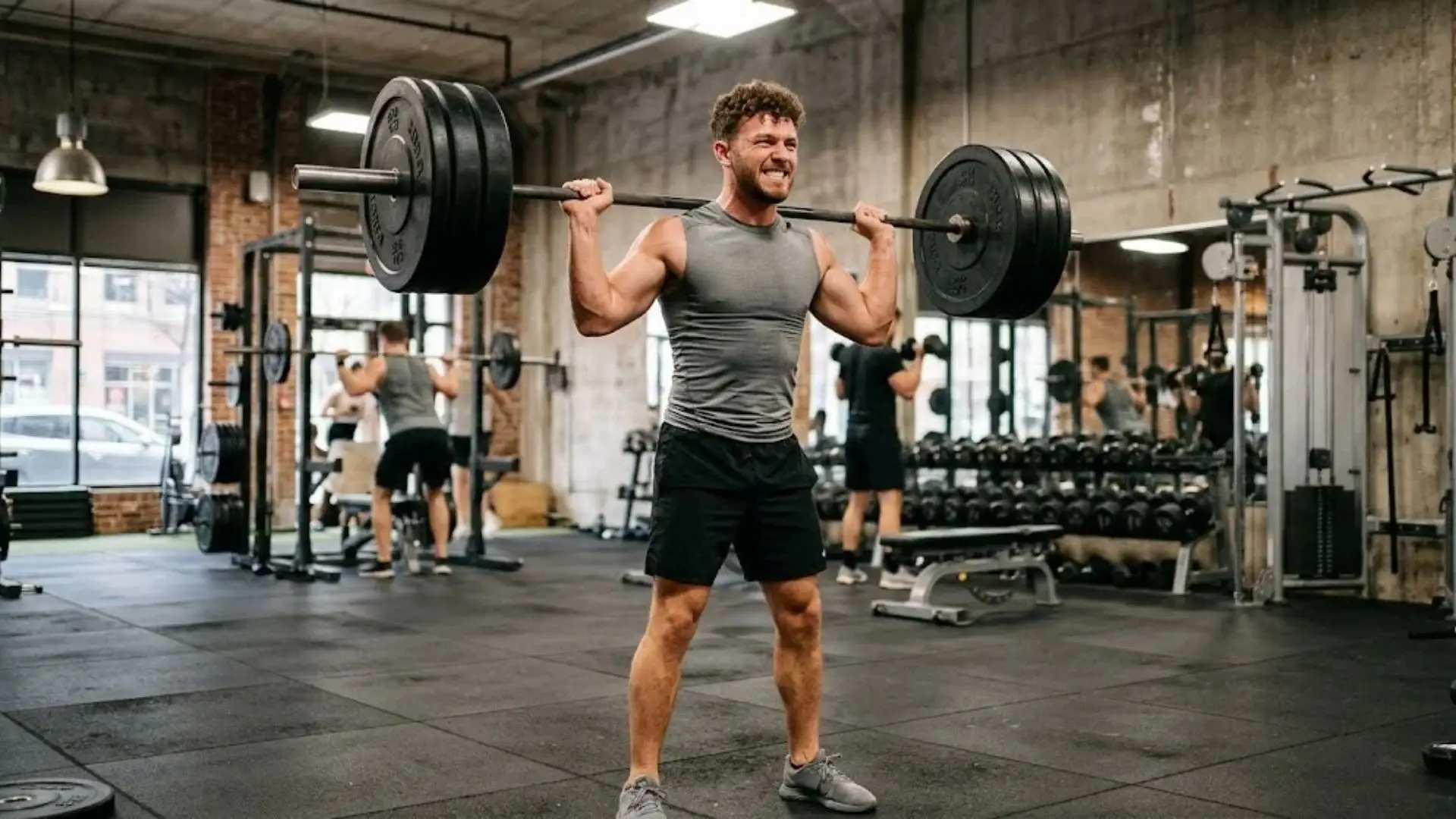
If you exercise early in the morning, you may wonder whether you should eat breakfast before heading to the gym. Some people prefer working out on an empty stomach, while others feel stronger and more energized after eating something.
Both approaches can work, depending on your fitness goals, workout intensity, and personal preferences.
After several hours of sleep without food, your body has gone through an overnight fasting period. Eating before exercise can provide additional energy, particularly if you’re planning an intense workout. However, you don’t necessarily need to eat before every morning exercise session.
The most important thing is choosing an approach that helps you perform well, feel comfortable, and stay consistent with your fitness routine.
Is It Better to Eat Before a Morning Workout?
For many people, eating a small meal or snack before exercise can help improve workout performance.
Food provides energy that your body uses during physical activity. Carbohydrates are particularly useful because they provide a readily available source of fuel for your muscles.
Eating before exercise may be helpful if you’re planning to:
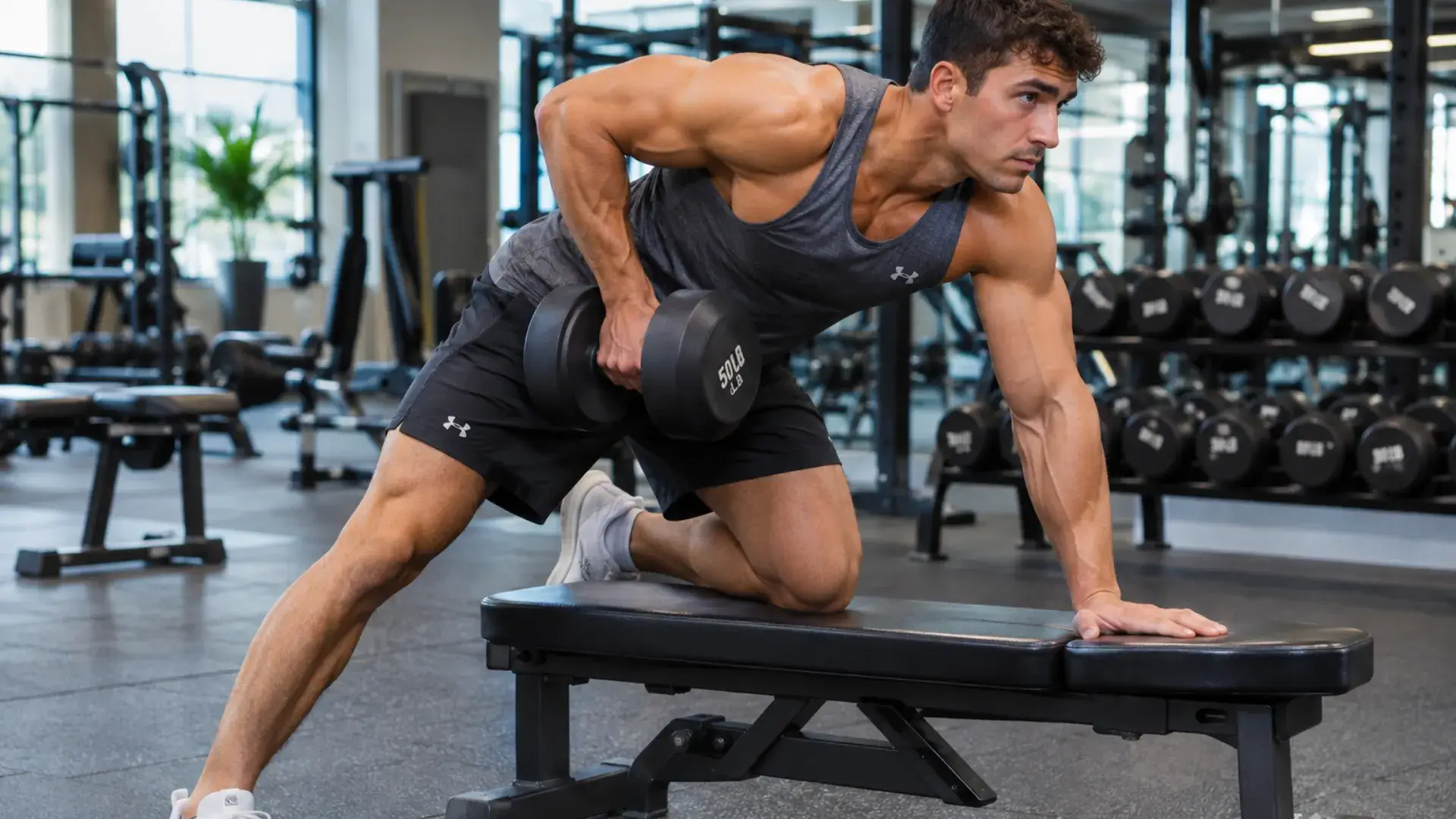
Lift weights or perform strength training
Run or cycle for an extended period
Complete a high-intensity workout
Train for longer than an hour
Exercise early after waking up feeling hungry or low on energy
However, if you’re doing light exercise, such as walking or gentle stretching, you may not need to eat beforehand.
Pay attention to how you feel. If exercising without breakfast leaves you dizzy, weak, unusually tired, or uncomfortable, have something to eat and adjust your routine.
What Happens When You Work Out on an Empty Stomach?
Exercising without eating beforehand is commonly called fasted training.
Some people prefer this approach because they don’t feel hungry in the morning or simply don’t have time for breakfast.
Potential Benefits of Fasted Workouts
Convenience: You can exercise shortly after waking up without spending time preparing breakfast.
Comfort: Some people find that exercising without food feels more comfortable, especially during light cardio.
Increased fat use during exercise: Fasted exercise can increase the amount of fat your body uses as fuel during that particular workout.
However, this doesn’t automatically mean you’ll lose more body fat over time. Overall calorie intake, physical activity, and consistency have a much greater influence on long-term fat loss.
Possible Disadvantages of Exercising Without Food
Not everyone performs well on an empty stomach.
You may experience:
Low energy during exercise
Reduced workout intensity
Hunger or difficulty concentrating
Dizziness or weakness
Difficulty completing demanding workouts
If you regularly experience these problems, eating a small snack before exercising may be a better choice.
People with diabetes, certain medical conditions, or medications that affect blood sugar should follow individualized medical guidance before exercising while fasting.
What Should I Eat Before a Morning Workout?
The best pre-workout foods are generally easy to digest and provide enough energy without making you feel overly full.
A combination of carbohydrates and protein can work well, particularly before strength training or longer workouts.
Here are some practical options.
1. Bananas
A banana is one of the easiest foods to eat before exercise.
It provides carbohydrates that can help fuel your workout. It’s also portable, convenient, and doesn’t require preparation.
You can eat one on its own or pair it with a small serving of yogurt.
2. Oatmeal
Oatmeal provides carbohydrates and fiber, making it a filling breakfast option.
If you have enough time to eat before exercising, try a small bowl of oatmeal with fruit.
You can also add Greek yogurt or milk for protein.
3. Greek Yogurt
Greek yogurt provides protein and can be combined with fruit for additional carbohydrates.
It’s a convenient option if you prefer something light before your workout.
Choose a portion that feels comfortable, especially if you plan to exercise shortly afterward.
4. Whole-Grain Toast
Whole-grain toast provides carbohydrates that can help fuel physical activity.
Try pairing it with a small amount of peanut butter or a boiled egg if you have enough time to digest your meal.
5. Fruit Smoothies
A smoothie can be an easy way to get nutrients before exercising.
Blend a banana with milk or a milk alternative, berries, and Greek yogurt.
Keep the portion moderate if you plan to start exercising soon.
How Long Before a Workout Should You Eat?
The amount of time you should wait after eating depends on the size of your meal and how your stomach responds to food.
Here is a general guide:
| Time Before Exercise | What to Eat |
|---|---|
| 15–30 minutes | A banana or small piece of fruit |
| 30–60 minutes | Toast, yogurt, or a small smoothie |
| 1–2 hours | Oatmeal, eggs with toast, or a light breakfast |
| 2–3 hours | A balanced breakfast with protein and carbohydrates |
You don’t need to follow these times exactly. Some people can exercise comfortably soon after a snack, while others need more time.
Avoid large, heavy meals immediately before exercise because they may cause stomach discomfort.
Should I Eat Before Morning Workouts for Different Fitness Goals?
Your pre-workout nutrition can depend on what you’re trying to achieve.
If Your Goal Is to Lose Weight
You don’t need to skip breakfast to lose body fat.
Weight loss primarily depends on maintaining a calorie deficit over time. Whether you eat before or after your workout is less important than your overall eating habits.
If you’re hungry in the morning, choose a small snack that provides energy without adding more calories than you need.
You can also focus on a balanced breakfast after exercising.
For more guidance, read our article on what burns the most body fat. It explains how exercise, nutrition, and consistent habits contribute to fat loss.
If Your Goal Is to Build Muscle
Eating before strength training may help you feel more energized and perform better, particularly during demanding workouts.
Consider having a small meal containing carbohydrates and protein before exercising.
Examples include:
Banana with Greek yogurt
Oatmeal with milk
Toast with eggs
A small protein smoothie
Your total daily protein and calorie intake also matter. If building muscle is your goal, our article on how to build muscle fast explains how training, nutrition, and recovery work together.
If Your Goal Is to Improve Endurance
If you’re planning a longer run, cycling session, or demanding cardio workout, eating beforehand can help provide energy.
Choose carbohydrate-rich foods that are easy to digest.
For shorter, low-intensity cardio sessions, you may feel comfortable exercising without breakfast.
You can also learn more about combining different types of exercise in our article on whether you should do cardio while building muscle.
What Should You Eat After a Morning Workout?
What you eat after exercise is also important.
After training, your body needs nutrients to support muscle repair and replenish energy stores.
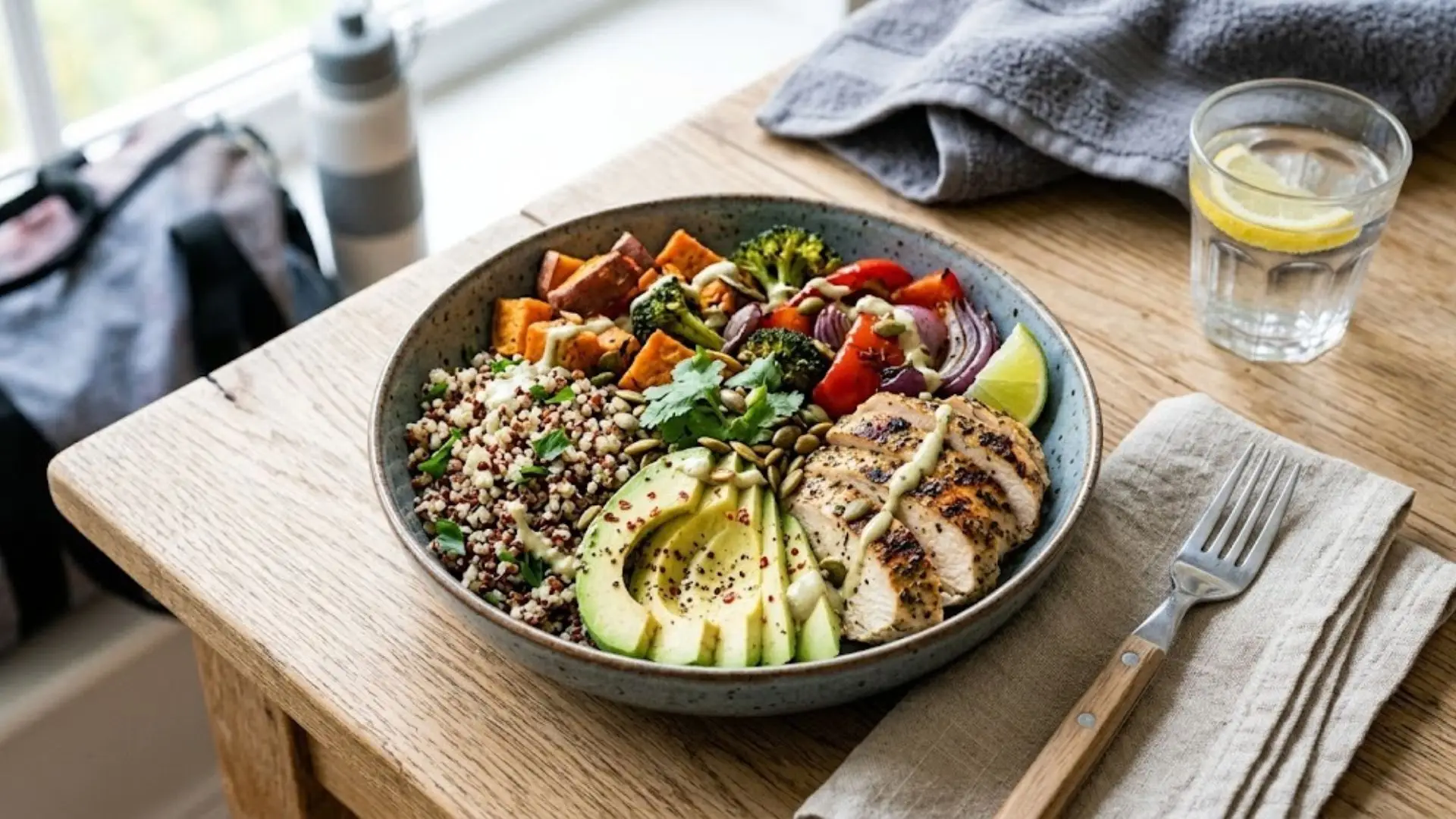
A balanced breakfast containing protein and carbohydrates is a practical choice.
Consider these post-workout meals:
Scrambled eggs with whole-grain toast
Greek yogurt with berries and oatmeal
Grilled chicken with rice and vegetables
A protein smoothie with banana
Cottage cheese with fruit and nuts
Protein helps repair and maintain muscle tissue, while carbohydrates help replenish glycogen used during exercise.
For more meal ideas, read our guide on what to eat after a workout.
Common Mistakes to Avoid Before Morning Workouts
Your pre-workout routine doesn’t need to be complicated. However, a few common mistakes can make early exercise more difficult.
Eating Too Much Before Exercising
A large breakfast immediately before exercise may cause bloating, cramps, or stomach discomfort.
Choose smaller portions if you plan to work out soon after waking up.
Skipping Food Despite Feeling Weak
Some people force themselves to exercise without eating because they believe fasted workouts produce better fat-loss results.
If you feel weak, dizzy, or unusually tired, stop exercising and consider eating before your next session.
Drinking Too Much Coffee Instead of Eating
Coffee can make you feel more alert, but it doesn’t replace the energy and nutrients provided by food.
If you enjoy coffee before exercising, drink it in moderation and pay attention to how caffeine affects you.
Forgetting to Drink Water
You may wake up slightly dehydrated after several hours of sleep.
Drink some water before exercising and continue hydrating throughout the day.
Ignoring Your Individual Needs
A pre-workout routine that works for someone else may not work for you.
Experiment with different snack sizes and timing to find what feels comfortable and supports your performance.

Frequently Asked Questions
Is It Okay to Work Out First Thing in the Morning Without Eating?
Yes. Many people can comfortably perform short, low-intensity workouts without eating beforehand. However, if you experience weakness, dizziness, or reduced performance, consider having a snack before exercising.
Does Working Out on an Empty Stomach Burn More Fat?
Fasted exercise can increase fat use during a workout, but this doesn't necessarily result in greater long-term fat loss. Your overall calorie balance and exercise consistency matter more.
Should I Eat Protein Before a Morning Workout?
Protein can be helpful before strength training because it provides amino acids that support muscle maintenance and recovery. You can also get protein after your workout as part of a balanced breakfast.
Can I Drink Coffee Before a Morning Workout?
Yes, if you tolerate caffeine well. Coffee may improve alertness and exercise performance for some people. Avoid excessive amounts, and remember that it doesn't replace food or water.
What Is the Best Quick Snack Before an Early Workout?
A banana is a simple option because it provides carbohydrates and is easy to prepare. Other choices include toast, yogurt, or a small smoothie.
Final Thoughts: Should You Eat Before Morning Workouts?
Whether you should eat before a morning workout depends on your exercise routine, fitness goals, and how your body responds to training without food.
For light activities, you may be comfortable exercising on an empty stomach. For strength training, intense cardio, or longer sessions, a small meal or snack can help provide energy and support better performance.
You don’t need to follow a strict eating schedule. Focus on balanced nutrition, proper hydration, and a routine you can maintain consistently.
Most importantly, listen to your body. If eating before exercise helps you feel stronger and more comfortable, there’s no reason to skip breakfast.
Get a Personalized Fitness Plan
At Potomac Online Personal Training, we help adults build workout and nutrition plans that fit their goals, schedules, and experience levels.
Whether you’re trying to lose weight, build muscle, or improve your overall fitness, personalized coaching can help you make informed decisions about exercise, nutrition, and recovery.